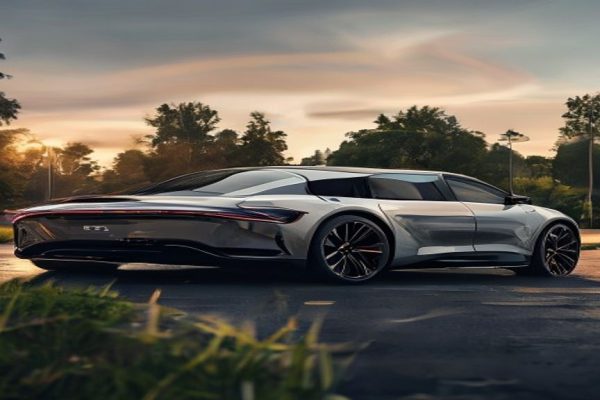
The Rise of Plug-In Hybrids: A Promising Alternative to Traditional Gasoline-Powered Vehicles
Over the past decade, the automotive industry has witnessed a significant shift towards more environmentally friendly vehicles. One such innovation is the plug-in hybrid electric vehicle (PHEV), which combines the benefits of a conventional gasoline-powered engine with the efficiency of an electric motor. PHEVs are designed to be charged from an external power source, reducing greenhouse gas emissions and dependence on fossil fuels.
The Reality Check: Plug-In Hybrid Owners and Their Charging Habits
A recent study has shed light on a concerning trend among plug-in hybrid owners. Contrary to the intended design of these vehicles, many owners are not actually plugging in their cars. In fact, a staggering 90% of plug-in hybrid owners are not charging their vehicles regularly, effectively negating the climate advantages of these eco-friendly vehicles.
This phenomenon has significant implications for the environment, as PHEVs are often marketed as a means to reduce carbon footprint and mitigate climate change. If owners are not utilizing the charging capabilities of these vehicles, the overall environmental impact is diminished.
The Reasons Behind This Disconnect: Understanding the Behaviors of Plug-In Hybrid Owners
So, why are plug-in hybrid owners not taking advantage of the charging functionality of their vehicles? Several factors contribute to this disconnect:
- Convenience: Many owners prioritize convenience over environmental concerns, opting for the simplicity of gasoline-powered vehicles.
- Lack of awareness: Some owners may not be aware of the benefits of regular charging or may not understand how to properly utilize the charging feature.
- Range anxiety: Owners may be concerned about the limited range of their PHEV when the battery is depleted, leading them to rely solely on the gasoline engine.
- Infrastructure limitations: The lack of widespread charging infrastructure in some areas may discourage owners from using the charging feature.
Addressing these issues will be crucial in promoting the adoption of plug-in hybrids as a viable alternative to traditional gasoline-powered vehicles.
The Future of Plug-In Hybrids: Can Manufacturers and policymakers Bridge the Gap?
Manufacturers and policymakers must work together to address the disconnect between the intended design of plug-in hybrids and the actual behavior of owners. This can be achieved through various strategies:
- Improved education and awareness campaigns: Educating owners about the benefits of regular charging and the proper use of the charging feature can go a long way in bridging the gap.
- Enhanced charging infrastructure: Investing in widespread charging infrastructure will make it more convenient for owners to charge their vehicles and reduce range anxiety.
- Technological advancements: Advances in battery technology and charging systems can improve the overall efficiency and range of PHEVs, making them more appealing to owners.
By acknowledging the uncomfortable truth about plug-in hybrids and addressing the disconnect between design and behavior, we can work towards a more sustainable future for the automotive industry.
As the world continues to grapple with the challenges of climate change, it is imperative that we prioritize sustainable transportation solutions. By understanding the behaviors of plug-in hybrid owners and addressing the issues that contribute to this disconnect, we can work towards a future where eco-friendly vehicles are not just a promise, but a reality.
Image prompt: A charging plug-in hybrid electric vehicle with a cityscape in the background, highlighting the importance of widespread charging infrastructure and the need for owners to utilize the charging feature.






Leave a Reply