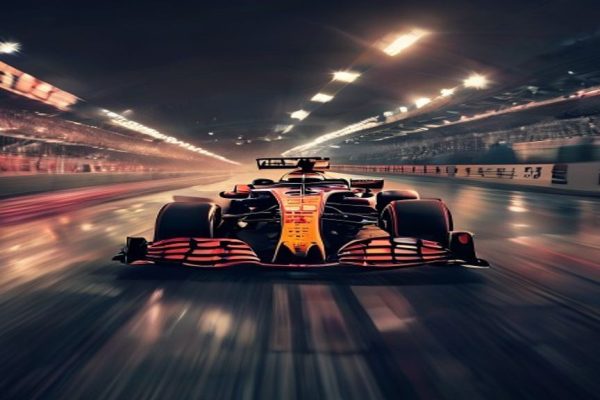
Introduction to F1’s New Era
The world of Formula 1 (F1) has witnessed a transformative shift in recent years, driven by the introduction of new car regulations. This change aims to enhance the sport’s on-track competitiveness and appeal. However, it has also sparked a heated debate among fans, teams, and F1’s governing body. The debate centers around the impact of these new cars on the sport’s core values, with some arguing that they are prioritizing superficial thrills over the underlying essence of racing.
Background and Context
Formula 1 has long been synonymous with technological innovation, aerodynamic wizardry, and exceptional driver skill. The sport’s governing body, the Fédération Internationale de l’Automobile (FIA), has continually evolved the regulations to push the boundaries of what is possible on the track. The introduction of the new car regulations, which debuted in 2022, aimed to address concerns about the sport’s declining competitiveness and increasing energy consumption.
- The new regulations introduced ground-effect aerodynamics, which significantly increased downforce levels.
- The cars now employ advanced energy harvesting and recovery systems to reduce energy consumption.
- The minimum weight of the cars has been reduced to enhance their agility and responsiveness.
These changes have undoubtedly contributed to more exciting and competitive racing. However, they have also led to a perceived emphasis on raw speed and spectacle over the nuanced, strategic aspects of the sport. F1’s bosses, including the FIA and the teams’ representatives, are caught in the middle of this debate. They recognize the superficial appeal of the back-and-forth racing but are concerned about what these new cars are doing to the sport they grew up loving.
The Debate: Thrills vs. Core Values
The debate surrounding the new F1 cars has sparked a heated discussion among fans, teams, and governing bodies. Some argue that the emphasis on raw speed and spectacle has come at the expense of the sport’s core values. They claim that the new cars, with their increased downforce and advanced aerodynamics, have created a sport that prioritizes short-term thrills over the long-term strategic aspects of racing.
Others argue that the new cars have simply shifted the focus of the sport, rather than undermining its core values. They point out that the increased competitiveness and excitement have attracted a new audience to the sport, while the advanced technology has pushed the boundaries of what is possible in motorsport.
F1’s bosses are grappling with this dilemma, seeking to balance the need for exciting racing with the preservation of the sport’s core values. They recognize that the new cars have brought a new level of excitement to the sport, but they are also concerned about the potential long-term consequences of prioritizing superficial thrills over the underlying essence of racing.
Future Implications
The debate surrounding the new F1 cars has significant implications for the sport’s future. If the emphasis on raw speed and spectacle continues to grow, it may lead to a sport that prioritizes short-term thrills over the long-term strategic aspects of racing. This could ultimately undermine the sport’s core values and erode its appeal among fans who value the nuanced, strategic aspects of racing.
On the other hand, if the governing body and teams can strike a balance between exciting racing and the preservation of the sport’s core values, F1 may be able to maintain its appeal among fans while also pushing the boundaries of what is possible in motorsport.
The future of F1 hangs in the balance, as the sport’s bosses navigate this delicate debate. One thing is certain: the sport will continue to evolve, and the outcome of this debate will have a lasting impact on the sport’s direction and appeal.
As the debate rages on, F1 fans around the world are eagerly awaiting the outcome. Will the sport prioritize thrilling racing or preserve its core values? Only time will tell.






Leave a Reply