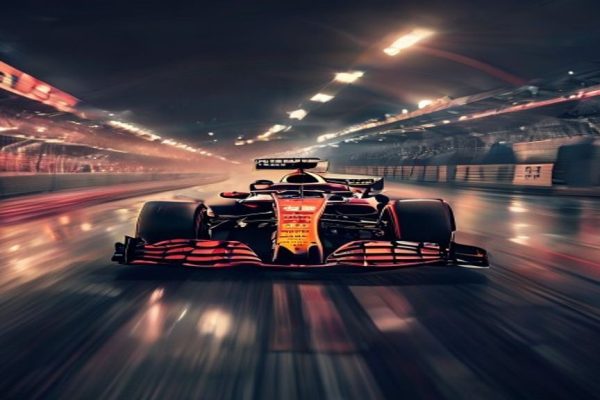
F1’s New Era: Balancing Exciting Racing with Concerns for the Sport’s Future
The world of Formula 1 (F1) is undergoing a significant transformation, with the introduction of new cars and regulations aimed at improving racing spectacle. However, the sport’s governing body, the FIA, and its commercial partners are caught in the middle of a heated debate. On one hand, the new era is delivering thrilling racing with its emphasis on downforce and cornering, but on the other hand, many are concerned that the sport is losing its essence.
The Rise of Downforce and its Impact
The new F1 cars are designed to produce massive amounts of downforce, which allows drivers to take corners at higher speeds and increase overtaking opportunities. While this has led to some incredible racing moments, it has also raised concerns about the safety and sustainability of the sport. The cars are now producing more than 5,000 pounds of downforce, which is a significant increase from the previous generation. This has resulted in drivers pushing their cars to the limit, often with catastrophic consequences.
The FIA and its commercial partners are worried that the sport is becoming too reliant on downforce and that the cars are becoming too difficult to handle. This is not only affecting the safety of the drivers but also the enjoyment of the fans. Many are expressing concerns that the sport is losing its roots and becoming more focused on technology and spectacle than on the actual racing.
The Concerns of F1’s Bosses
The FIA and its commercial partners, including Liberty Media, are caught in the middle of this debate. They recognize the superficial appeal of the back-and-forth racing, but they are also concerned about the long-term implications of this trend. They are worried that if the sport continues down this path, it will become unrecognizable and lose its fan base.
F1’s commercial partners are also concerned about the financial implications of this trend. The sport is already one of the most expensive in the world, and the costs of developing and maintaining these complex cars are only increasing. If the sport continues to prioritize downforce and cornering over other aspects of racing, it could lead to a decline in viewership and sponsorship revenue.
A Way Forward
The FIA and its commercial partners are exploring ways to balance the need for exciting racing with the need to maintain the sport’s integrity. One possible solution is to introduce more complex and nuanced regulations, which would require teams to think more critically about their car design and not just focus on producing the most downforce.
Another option is to increase the emphasis on other aspects of racing, such as fuel efficiency and engine performance. This would not only make the sport more sustainable but also provide fans with more to appreciate and engage with.
In conclusion, F1’s new era is delivering thrilling racing, but it also raises concerns about the sport’s future. The FIA and its commercial partners must find a way to balance the need for exciting racing with the need to maintain the sport’s integrity. If they succeed, F1 could continue to thrive and remain one of the most popular and enduring sports in the world.
Key Points:
- The new F1 cars are designed to produce massive amounts of downforce, which has led to thrilling racing but also raised concerns about safety and sustainability.
- The FIA and its commercial partners are worried that the sport is becoming too reliant on downforce and that the cars are becoming too difficult to handle.
- The sport’s bosses are caught in the middle of this debate, recognizing the superficial appeal of the back-and-forth racing but also concerned about the long-term implications.
- The FIA and its commercial partners are exploring ways to balance the need for exciting racing with the need to maintain the sport’s integrity.






Leave a Reply