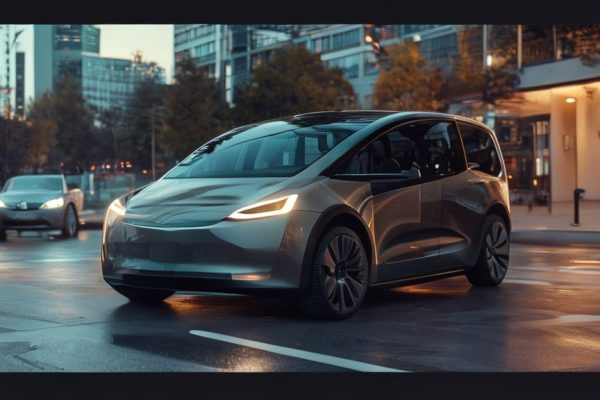
Elon Musk’s Ambitious Plan for Autonomous Transportation
Tesla’s recent announcement of its unsupervised robotaxis has sent shockwaves across the transportation and technology industries. CEO Elon Musk celebrated this milestone, but the reality is that its unclear how many people will be able to ride in these newly autonomous vehicles in the immediate future.
The development of unsupervised robotaxis marks a significant step towards achieving Musk’s vision of a future where humans can rely on driverless cars for daily transportation needs. Tesla’s Full Self-Driving (FSD) technology has made tremendous progress in recent years, and the company is now at the forefront of autonomous transportation.
Challenges in Implementing Unsupervised Robotaxis
Despite the excitement surrounding the unveiling of unsupervised robotaxis, several challenges need to be addressed before they can be safely deployed on public roads. One of the primary concerns is the lack of standardization in regulations governing autonomous vehicles. Different countries and states have varying laws and guidelines that need to be adhered to, making it difficult for companies like Tesla to roll out their unsupervised robotaxis.
Additionally, there are concerns about the safety and reliability of unsupervised robotaxis. While Tesla’s FSD technology has demonstrated impressive capabilities, there is still a risk of technical failures or unexpected situations that could compromise the safety of passengers.
Another challenge that Tesla and other companies will face is ensuring the accessibility of unsupervised robotaxis to a wide range of users. The technology requires sophisticated sensors, cameras, and software, making it potentially expensive and exclusive to a select few.
Future Implications and Opportunities
The deployment of unsupervised robotaxis has far-reaching implications for the transportation industry. It could transform the way people travel, making it faster, cheaper, and more convenient. With the potential to reduce traffic congestion, parking needs, and emissions, unsupervised robotaxis could be a game-changer for urban planning and development.
However, the adoption of unsupervised robotaxis also raises questions about job displacement and the future of the transportation industry. As autonomous vehicles become more prevalent, there may be a need for retraining and upskilling of drivers and other industry professionals.
Key points to consider:
- Tesla’s unsupervised robotaxis mark a significant step towards achieving autonomous transportation.
- Challenges in implementing unsupervised robotaxis include regulatory standardization, safety and reliability, and accessibility.
- The deployment of unsupervised robotaxis could transform the transportation industry, reducing traffic congestion, parking needs, and emissions.
- The adoption of unsupervised robotaxis raises questions about job displacement and the future of the transportation industry.
In conclusion, the development of unsupervised robotaxis is a significant milestone in the journey towards autonomous transportation. While there are challenges to be addressed, the potential benefits of this technology cannot be ignored. As the transportation industry continues to evolve, it will be exciting to see how companies like Tesla navigate these challenges and bring unsupervised robotaxis to the masses.






Leave a Reply