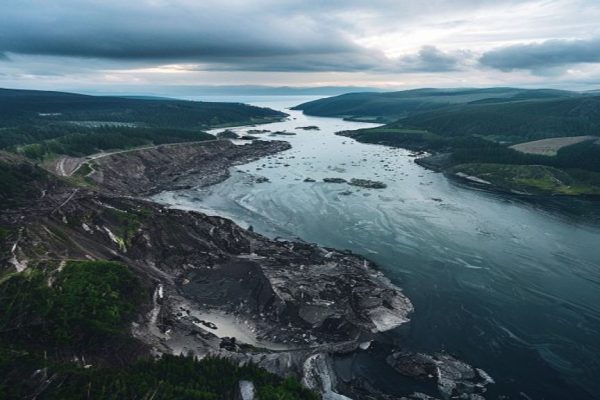
Mega-Tsunami Wreaks Havoc on Alaska’s Tracy Arm Fjord
The remote Tracy Arm fjord in Alaska’s Tongass National Forest was struck by a monumental landslide on August 10, 2025, sending shockwaves throughout the global tourism industry. The colossal event triggered a 1,578-foot-tall mega-tsunami that inundated the fjord, causing irreparable damage to its pristine ecosystem and devastating the livelihoods of countless individuals dependent on the area’s thriving cruise tourism.
Background and Context
The Tracy Arm fjord, renowned for its breathtaking scenery and majestic glaciers, has long been a popular destination for cruise lines and adventure-seekers. Its tranquil waters, teeming with wildlife, provide a unique opportunity for passengers to witness the raw beauty of Alaska’s wilderness. With over 500,000 visitors annually, the fjord’s cruise tourism sector generates substantial revenue for local communities and contributes significantly to the regional economy.
However, the fjord’s remote location and harsh climate have also made it vulnerable to natural disasters. The region’s geological history is marked by frequent landslides and glacial calving events, which have been exacerbated by climate change. Rising temperatures have accelerated the melting of glaciers, leading to an increase in the frequency and severity of these events.
- The impact of climate change on glacial melting and subsequent landslides
- Increased risk of mega-tsunamis in remote coastal areas
- Devastating effects on local economies and communities reliant on tourism
Future Implications and Repercussions
The massive landslide and resulting mega-tsunami have far-reaching consequences for the global tourism industry, particularly in the context of climate change. As temperatures continue to rise, the risk of similar events increases, threatening the stability of ecosystems and the livelihoods of those dependent on them.
The incident serves as a stark reminder of the urgent need for sustainable tourism practices and climate-resilient infrastructure. Cruise lines and tourism operators must adapt to these changing circumstances by implementing environmentally conscious policies and investing in disaster preparedness and response strategies.
The Tracy Arm fjord disaster also highlights the importance of preserving and restoring natural habitats, particularly in regions vulnerable to climate-related disasters. By taking proactive measures to mitigate the effects of climate change, we can reduce the risks associated with these events and ensure the long-term sustainability of our planet’s precious ecosystems.
As the world grapples with the aftermath of this calamity, it is essential to acknowledge the interconnectedness of human activities and the natural environment. By working together, we can foster a culture of sustainability, promote eco-friendly practices, and build resilience in the face of an uncertain future.
The recovery efforts for the Tracy Arm fjord will be a long and arduous process, requiring the collective efforts of governments, local communities, and the tourism industry. As we navigate this challenging terrain, it is crucial to prioritize the well-being of the environment, the people, and the planet.
The Tracy Arm fjord disaster serves as a poignant reminder of the importance of responsible stewardship and our responsibility to protect the delicate balance of our planet’s ecosystems.
Call to Action
As we reflect on the devastating consequences of this event, we must ask ourselves: What can we do to prevent similar disasters in the future? How can we work together to promote sustainable tourism practices and climate-resilient infrastructure?
The answer lies in a collective commitment to environmental stewardship, responsible tourism, and climate action. By embracing this vision, we can create a more resilient and sustainable future for generations to come.
The Tracy Arm fjord disaster will forever be etched in our collective memory as a poignant reminder of the importance of protecting our planet’s precious ecosystems. As we move forward, let us honor the victims of this tragedy and work towards a brighter, more sustainable future.
Image prompt: A dramatic, AI-generated image of the Tracy Arm fjord, with a massive landslide in the foreground and a mega-tsunami wave crashing into the fjord in the background, with a faint image of a cruise ship in the distance, surrounded by a halo of light to represent hope and resilience.






Leave a Reply