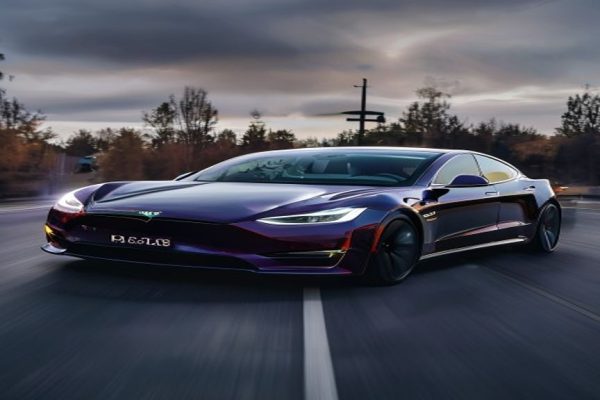
Tesla’s HW3 FSD Update: A Breakdown
The recent announcement from Tesla regarding the Full Self-Driving (FSD) capabilities on HW3-equipped cars has left many owners and enthusiasts wondering what this means for the future of autonomous driving in older model vehicles. In this article, we’ll delve into the background, context, and implications of this update, as well as what it could mean for Tesla’s FSD roadmap.
What is HW3 and FSD?
For those unfamiliar, HW3 refers to the third hardware version of Tesla’s Autopilot computer system. This system is responsible for processing and analyzing the vast amounts of data required for autonomous driving. FSD, on the other hand, is Tesla’s advanced driver-assistance system (ADAS) that uses a combination of sensors, cameras, and machine learning algorithms to enable semi-autonomous and, eventually, fully autonomous driving.
The HW3 FSD Update: What’s Happening?
According to Tesla’s announcement, cars equipped with the HW3 hardware will not receive the unsupervised FSD update. This means that drivers will not be able to engage the FSD mode without human oversight, at least in older model cars. While this may seem like a setback, it’s essential to understand the reasoning behind this decision.
One possible reason for this update is the complexity of the HW3 system. As Tesla continues to advance its FSD capabilities, the Autopilot computer system needs to be upgraded to handle the increased computational demands. HW3, while a significant improvement over earlier hardware versions, may not be compatible with the more advanced FSD features being developed.
Why is This Update Important?
While the HW3 FSD update may seem like a minor issue, it has significant implications for Tesla’s FSD roadmap. The company has committed to delivering FSD capabilities to its vehicles, and this update could potentially slow down that process. However, it’s also an opportunity for Tesla to refine its FSD features and ensure that they are safe and reliable before deploying them to a wider audience.
Additionally, this update highlights the importance of hardware and software compatibility in autonomous driving. As companies like Tesla continue to push the boundaries of autonomous technology, it’s essential to ensure that the underlying hardware and software are compatible and can handle the increased demands of advanced FSD features.
What’s Next for Tesla’s FSD?
While the HW3 FSD update may be a setback for older model car owners, it’s essential to remember that Tesla is continuously working on advancing its FSD capabilities. In fact, the company has already begun testing its FSD features on HW3-equipped cars, albeit with human oversight.
As we move forward, it’s likely that Tesla will continue to refine its FSD features and develop new hardware and software solutions to support them. The company’s commitment to FSD is unwavering, and it’s clear that they are dedicated to delivering a safe and reliable autonomous driving experience to their customers.
Key Takeaways:
- Tesla’s HW3 FSD update means that cars equipped with this hardware will not receive the unsupervised FSD update.
- The decision is likely due to the complexity of the HW3 system and the need for upgraded hardware to support advanced FSD features.
- The update highlights the importance of hardware and software compatibility in autonomous driving.
- Tesla is committed to delivering FSD capabilities and will continue to refine its FSD features and develop new hardware and software solutions.






Leave a Reply