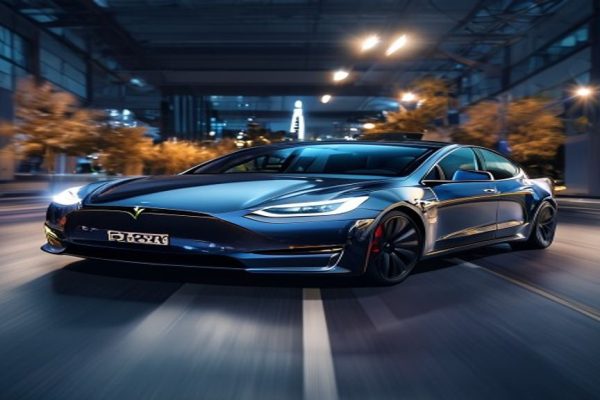
Tesla Delays Unsupervised FSD for HW3 Cars: What Does This Mean for Autonomous Driving?
The recent news from Tesla has sent shockwaves through the tech industry, particularly among those following the development of autonomous driving technology. In an update, Tesla revealed that its cars equipped with Hardware 3 (HW3) will not be receiving unsupervised Full Self-Driving (FSD) capabilities in the near future. This decision has raised several questions, and in this article, we will delve into the implications of this delay and what it means for the future of autonomous driving.
Background: What is FSD and HW3?
For those unfamiliar, FSD is Tesla’s advanced driver-assistance system (ADAS) that enables vehicles to navigate roads and parking lots without human intervention. HW3, on the other hand, is the latest hardware platform developed by Tesla, which supports more advanced features, including FSD. The HW3 platform is designed to provide improved processing power, faster data transfer, and more robust software capabilities, making it an essential component for the development of FSD.
Reasons Behind the Delay: What’s Holding Back Unsupervised FSD?
The decision to delay unsupervised FSD for HW3 cars is not a surprise, given the complex nature of autonomous driving technology. Tesla’s CEO, Elon Musk, has previously stated that the company is focusing on developing more advanced and reliable ADAS features, rather than rushing to deploy unsupervised FSD. There are several reasons why this delay is necessary, including:
- Liability concerns: Unsupervised FSD raises significant liability concerns, as the company could be held responsible for any accidents caused by the vehicle.
- Regulatory hurdles: Autonomous driving technology is heavily regulated, and companies must navigate complex frameworks to ensure compliance.
- Technological advancements: The development of unsupervised FSD requires significant technological advancements, including improved sensor capabilities, more robust software, and better data processing.
Future Implications: What Does This Mean for Autonomous Driving?
The delay in deploying unsupervised FSD for HW3 cars does not mean that Tesla is abandoning its efforts in autonomous driving. On the contrary, this decision demonstrates the company’s commitment to developing more advanced and reliable ADAS features. While unsupervised FSD may be delayed, Tesla is still working on improving its FSD capabilities, including:
- Improved sensor capabilities: Tesla is continually upgrading its sensor suite, including cameras, radar, and lidar, to provide more accurate and detailed data.
- More robust software: The company is developing more advanced software algorithms to process data, improve decision-making, and enhance overall system performance.
- Better data processing: Tesla is investing in more powerful data processing capabilities to handle the vast amounts of data generated by its vehicles.
The delay in unsupervised FSD for HW3 cars may seem like a setback, but it actually represents a significant step forward in the development of autonomous driving technology. By focusing on more advanced and reliable ADAS features, Tesla is setting the stage for a more sustainable and secure future in autonomous driving.
What’s Next for Tesla and Autonomous Driving?
While the delay in unsupervised FSD for HW3 cars may have disappointed some enthusiasts, it is essential to remember that Tesla is a pioneer in the field of autonomous driving. The company’s commitment to developing more advanced and reliable ADAS features will ultimately benefit the industry as a whole. In the near future, we can expect to see Tesla continue to push the boundaries of autonomous driving technology, and we will be watching closely to see how this plays out.
The development of autonomous driving technology is a complex and ongoing process, and delays are to be expected. However, with companies like Tesla at the forefront, we can be confident that the future of transportation will be safer, more efficient, and more exciting than ever.






Leave a Reply