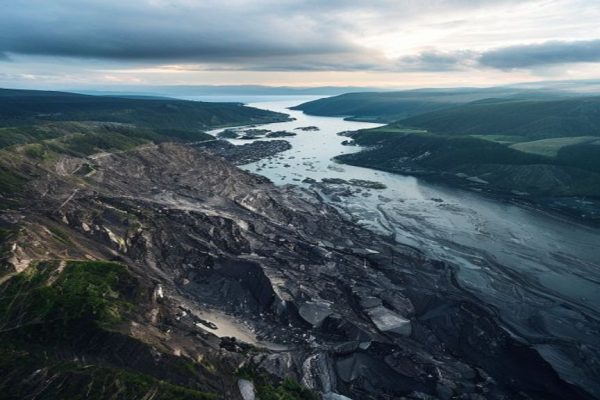
Massive Landslide Strikes Tracy Arm Fjord, Alaska
On the morning of August 10, 2025, a catastrophic landslide struck Alaska’s Tracy Arm fjord, leaving a trail of destruction and chaos in its wake. The landslide, which was described as a ‘mega-tsunami,’ triggered a massive wave that reached as high as 1,578 feet (481 meters) above sea level, causing widespread damage and disruption to the local ecosystem. The Tracy Arm fjord is a popular destination for many cruise lines, and the landslide has sent shockwaves throughout the global cruise industry.
Background and Context
The Tracy Arm fjord is a narrow, glacier-carved waterway located in the Tongass National Forest of Alaska. It is known for its stunning natural beauty, with towering cliffs, waterfalls, and glaciers. The fjord is a popular destination for cruise ships, which often visit the area to witness the majestic beauty of the glaciers and wildlife. However, the fjord is also prone to landslides and other geological events due to its unique geography and climate.
According to experts, the landslide was likely triggered by a combination of factors, including heavy rainfall, rising temperatures, and the natural instability of the fjord’s geology. The landslide is believed to have been caused by a massive accumulation of snow and ice on the fjord’s steep slopes, which eventually gave way to the forces of gravity.
Impact on the Cruise Industry
The landslide has sent shockwaves throughout the global cruise industry, with many cruise lines announcing changes to their itineraries and schedules. The impact on the industry is expected to be significant, with some estimates suggesting that the landslide could cost the industry millions of dollars in lost revenue and damages.
Cruise lines have been forced to cancel or alter their itineraries to avoid the affected area, with many ships rerouting to alternative destinations. The impact on local communities, which rely heavily on tourism, is also expected to be significant. The landslide has raised concerns about the safety and sustainability of cruise tourism in the region, and whether the industry is doing enough to mitigate the risks associated with visiting these areas.
Future Implications
The landslide has also raised important questions about the impact of climate change on the region’s geology and ecosystem. Rising temperatures and changing precipitation patterns are expected to increase the frequency and severity of landslides and other geological events in the region. The landslide has highlighted the need for greater investment in climate resilience and adaptation measures, particularly in areas that are vulnerable to the impacts of climate change.
The landslide has also sparked a debate about the role of human activity in exacerbating the impacts of climate change. The fjord is home to a number of extractive industries, including mining and logging, which have been accused of contributing to the region’s vulnerability to landslides and other geological events. The landslide has raised questions about the need for greater regulation and oversight of these industries, and whether they are doing enough to mitigate their impacts on the environment.
Key Points
- The landslide struck Alaska’s Tracy Arm fjord on August 10, 2025, causing widespread damage and disruption to the local ecosystem.
- The landslide was triggered by a combination of factors, including heavy rainfall, rising temperatures, and the natural instability of the fjord’s geology.
- The landslide has sent shockwaves throughout the global cruise industry, with many cruise lines announcing changes to their itineraries and schedules.
- The impact on local communities, which rely heavily on tourism, is expected to be significant.
- The landslide has raised important questions about the impact of climate change on the region’s geology and ecosystem.
- The landslide has sparked a debate about the role of human activity in exacerbating the impacts of climate change.
In conclusion, the landslide that struck Alaska’s Tracy Arm fjord on August 10, 2025, was a devastating event that has sent shockwaves throughout the global cruise industry. The impact on the industry is expected to be significant, with many cruise lines announcing changes to their itineraries and schedules. The landslide has raised important questions about the impact of climate change on the region’s geology and ecosystem, and the need for greater investment in climate resilience and adaptation measures.
The landslide has also sparked a debate about the role of human activity in exacerbating the impacts of climate change. As the world continues to grapple with the challenges of climate change, it is clear that the landslide in Alaska’s Tracy Arm fjord is a stark reminder of the need for greater action and cooperation to mitigate the impacts of this global phenomenon.






Leave a Reply