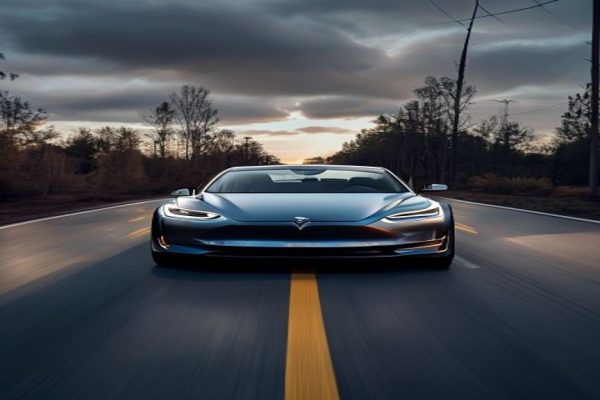
Tesla’s Autopilot Evolution: A Complex Road Ahead
Tesla’s Full Self-Driving (FSD) technology has been in the spotlight for years, with enthusiasts and critics alike eagerly awaiting its deployment. However, a recent update by Jay Peters, a renowned journalist, shed light on a crucial limitation affecting Tesla cars equipped with Hardware 3 (HW3). The news sent shockwaves through the electric vehicle (EV) community, with many left wondering about the reasons behind this decision and its implications for Tesla owners.
What is Hardware 3 (HW3) and Why is it Significant?
HW3 represents a significant upgrade to Tesla’s Autopilot system, boasting improved computing power and enhanced sensor capabilities. This upgrade enables the vehicle to process vast amounts of data in real-time, allowing for more advanced driver-assistance features. The HW3 hardware is designed to support Level 3 autonomous driving, which enables vehicles to take control of steering, acceleration, and braking in specific scenarios, such as highway driving.
The Unscheduled FSD Rollout Limitation: What Does it Mean?
According to the recent update, Tesla cars equipped with HW3 will not receive unsupervised Full Self-Driving (FSD) capabilities. This decision has sparked heated debates within the EV community, with some users expressing frustration and disappointment. The limitation implies that while HW3 vehicles can process data in real-time, they will still require human oversight when it comes to complex driving scenarios, such as navigating through urban areas or merging onto highways.
Why the Limitation? A Closer Look at the Technical Challenges
There are several reasons behind Tesla’s decision to limit unsupervised FSD capabilities on HW3 vehicles. Firstly, the technical complexity of developing and deploying Level 3 autonomous driving is vast. Tesla faces significant challenges in ensuring the reliability and safety of its Autopilot system, particularly in edge cases that may not have been encountered during testing.
Secondly, HW3’s limitations in terms of processing power and sensor capabilities may hinder the vehicle’s ability to accurately process and respond to complex driving scenarios. While HW3 represents a significant upgrade over previous generations, it still lags behind the computing prowess required for Level 3 autonomous driving.
What’s Next for Tesla and its Autopilot Technology?
Tesla’s decision to limit unsupervised FSD capabilities on HW3 vehicles is a significant development in the company’s Autopilot evolution. While this limitation may disappoint some users, it highlights the complexities and challenges associated with developing Level 3 autonomous driving.
In the near future, Tesla is expected to focus on refining its Autopilot system, with a primary emphasis on improving the vehicle’s ability to process and respond to complex driving scenarios. This may involve the deployment of additional hardware upgrades, such as the HW4 platform, which promises even more advanced computing capabilities.
As the autonomous driving landscape continues to evolve, Tesla will need to navigate the intricate balance between technological advancements, regulatory requirements, and user expectations. The company’s commitment to safety and reliability will be put to the test as it strives to deliver a seamless and trustworthy Autopilot experience.
Key Takeaways:
- Tesla’s HW3 vehicles will not receive unsupervised FSD capabilities.
- The limitation is due to technical challenges and the complexity of developing Level 3 autonomous driving.
- Tesla will focus on refining its Autopilot system, with a primary emphasis on improving the vehicle’s ability to process and respond to complex driving scenarios.
- The company’s commitment to safety and reliability will be crucial in delivering a seamless and trustworthy Autopilot experience.
Conclusion:
Tesla’s decision to limit unsupervised FSD capabilities on HW3 vehicles marks a significant development in the company’s Autopilot evolution. While this limitation may disappoint some users, it highlights the complexities and challenges associated with developing Level 3 autonomous driving. As Tesla continues to navigate the intricate balance between technological advancements, regulatory requirements, and user expectations, its commitment to safety and reliability will be put to the test.






Leave a Reply