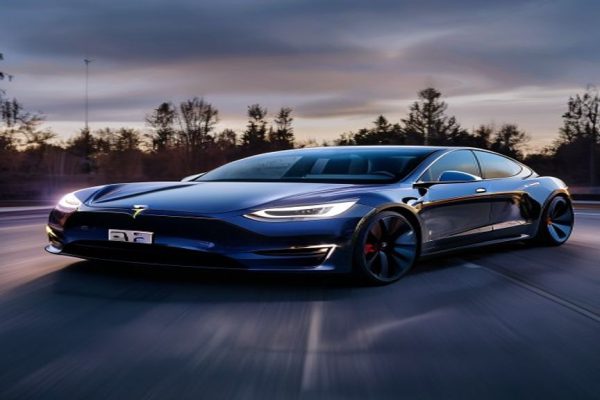
Tesla Holds Back on Unsupervised Full Self-Driving for HW3 Cars
The electric vehicle giant, Tesla, has made significant strides in the autonomous driving sector with its Full Self-Driving (FSD) technology. However, a recent update has sparked debate among enthusiasts and experts alike. According to a recent report, Tesla has decided not to enable unsupervised FSD on its cars equipped with Hardware 3 (HW3) computer.
The Reason Behind the Decision
The decision to hold back on unsupervised FSD for HW3 cars is a result of ongoing concerns regarding the safety and reliability of the technology. Tesla’s FSD system is based on a combination of sensors, mapping, and machine learning algorithms, which are still being fine-tuned and improved. While the company has made significant progress in recent years, there are still limitations and challenges that need to be addressed.
One of the primary concerns is the potential for accidents or near-misses due to the lack of human oversight. Tesla’s FSD system relies heavily on the ability of the vehicle to detect and respond to its surroundings, which is a complex task even for human drivers. In the absence of human intervention, the system may not be able to handle unexpected situations or edge cases, potentially leading to safety risks.
The Impact on Tesla’s FSD Ecosystem
The decision to hold back on unsupervised FSD for HW3 cars has significant implications for Tesla’s FSD ecosystem. The company’s FSD technology is a key differentiator in the electric vehicle market, and the lack of unsupervised FSD capabilities may impact the adoption rate of its vehicles.
Furthermore, the decision may also affect the resale value of Tesla’s vehicles, particularly those equipped with HW3 computers. Enthusiasts and owners of these vehicles may be disappointed by the lack of unsupervised FSD capabilities, which could impact their willingness to purchase or upgrade to newer models.
Future Implications and Timeline
The decision to hold back on unsupervised FSD for HW3 cars does not necessarily mean that Tesla will not enable the feature in the future. The company has stated that it will continue to refine and improve its FSD technology, with a focus on increasing the safety and reliability of the system.
A timeline for the release of unsupervised FSD for HW3 cars has not been announced by Tesla. However, the company has indicated that it will prioritize the development of FSD technology for its newer vehicles, including those equipped with the more advanced HW4 computer.
Key Takeaways
- Tesla has decided not to enable unsupervised FSD on its cars equipped with Hardware 3 (HW3) computer.
- The decision is a result of ongoing concerns regarding the safety and reliability of the FSD technology.
- The lack of unsupervised FSD capabilities may impact the adoption rate of Tesla’s vehicles and the resale value of its vehicles equipped with HW3 computers.
- Tesla will continue to refine and improve its FSD technology, with a focus on increasing the safety and reliability of the system.
Image Prompt
A futuristic illustration of a Tesla vehicle driving autonomously on a highway, with a cityscape in the background. The vehicle is equipped with a large touchscreen display showing a map and navigation information. The image should convey a sense of innovation and technological advancement, while also highlighting the potential safety risks associated with autonomous driving.
Category: Technology






Leave a Reply