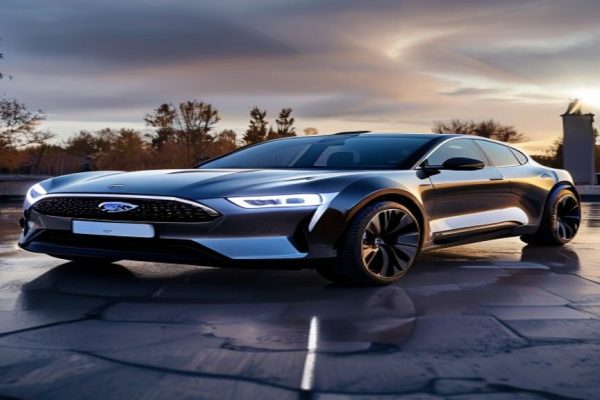
Ford’s Quest for Affordable EVs: A Leap in Innovation
In a groundbreaking move, Ford Motor Company has been experimenting with unconventional design approaches to make electric vehicles (EVs) more affordable. The company’s latest attempts have yielded promising results, with a potential breakthrough in the development of cheap EVs. Unibodies, zonal architecture, and shorter wiring harnesses are just some of the innovative strategies being employed by Ford to crack the code on affordable EVs.
For years, the automotive industry has been plagued by the high cost of EV production. One of the primary reasons for this is the complexity of EV designs, which often require expensive materials and labor-intensive manufacturing processes. However, Ford’s latest approach seeks to simplify the design process while maintaining performance and efficiency. By focusing on proven manufacturing techniques, the company aims to reduce production costs and make EVs more accessible to a wider audience.
The Role of Unibodies in Affordable EVs
Unibodies, or one-piece bodies, are a type of vehicle construction that involves a single, molded unit that integrates the body and structural components. This design approach has been used in traditional vehicles for decades and offers several advantages, including reduced weight and improved safety. Ford’s use of unibodies in EVs is a significant departure from the traditional module-based construction used in many EVs. The company believes that this approach will not only reduce production costs but also improve the overall performance and durability of EVs.
In addition to unibodies, Ford is also exploring the use of zonal architecture in its EV designs. Zonal architecture involves dividing the vehicle’s electrical system into distinct zones, each with its own power source and control system. This approach allows for greater flexibility and reduces the complexity of the electrical system, making it easier to manufacture and repair. By implementing zonal architecture, Ford aims to simplify the production process and reduce costs while maintaining the performance and efficiency of its EVs.
Shorter Wiring Harnesses: A Key to Affordable EVs
Another innovative approach being employed by Ford is the use of shorter wiring harnesses in its EV designs. Traditional EVs often feature lengthy wiring harnesses that connect the vehicle’s electrical components. However, these harnesses can be prone to damage and can increase the overall weight of the vehicle. By reducing the length of the wiring harnesses, Ford aims to minimize the risk of damage and improve the overall efficiency of its EVs. This approach also helps to reduce production costs by minimizing the amount of materials required for the harnesses.
While Ford’s unconventional design approach has yielded promising results, there are still several challenges that need to be addressed. The company must balance the need for affordability with the need for performance and efficiency. Additionally, the use of unibodies and zonal architecture may require significant changes to the manufacturing process, which can be a complex and time-consuming task. Nevertheless, Ford’s commitment to innovation and customer satisfaction is likely to drive the company towards continued success in the EV market.
In conclusion, Ford’s efforts to crack the code on affordable EVs are a significant step towards making this technology more accessible to a wider audience. By employing unconventional design approaches such as unibodies, zonal architecture, and shorter wiring harnesses, the company aims to reduce production costs while maintaining performance and efficiency. As the EV market continues to grow and evolve, Ford’s innovative strategies are likely to play a key role in shaping the future of the industry.
Key Benefits of Ford’s Affordable EVs
- Reduced production costs
- Improved performance and efficiency
- Increased accessibility to a wider audience
- Enhanced durability and safety
- Greater flexibility and simplicity in manufacturing and repair
As the automotive industry continues to shift towards electric vehicles, Ford’s commitment to innovation and customer satisfaction is likely to drive the company towards continued success. By focusing on affordable EVs, the company can help to make this technology more accessible to a wider audience, driving growth and adoption in the EV market.






Leave a Reply