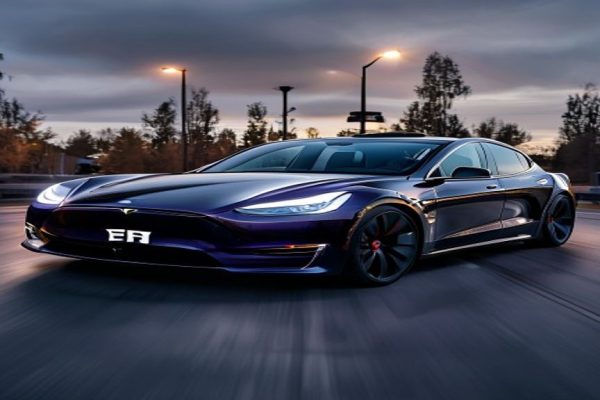
Tesla FSD Update Delay Sparks Concerns Among Older Model Owners
The Tesla community is abuzz with news that the Full Self-Driving (FSD) capability update for cars on Hardware 3 (HW3) will not extend to unsupervised driving for older models. This development has sparked concerns among Tesla owners who have been eagerly awaiting the update, which was initially expected to bring significant improvements to the FSD system.
Background on Tesla’s FSD System
Tesla’s FSD system is a cutting-edge autonomous driving technology that enables vehicles to navigate roads and traffic without human intervention. The system uses a combination of sensors, cameras, and machine learning algorithms to detect and respond to various driving scenarios. Tesla has been continuously updating and refining its FSD system, with each new release bringing significant improvements to its capabilities.
However, the FSD system is not without its limitations. One of the major constraints is the hardware required to support it. Tesla has been using different hardware versions, including Hardware 1 (HW1), Hardware 2 (HW2), and Hardware 3 (HW3), each with its own set of capabilities and limitations. The HW3 update, in particular, has been highly anticipated by Tesla owners, as it promises to bring significant improvements to the FSD system.
Impact on Older Model Owners
The decision to delay the unsupervised FSD capability for older models has sparked concerns among Tesla owners who have been waiting for the update. These owners are worried that they will be left behind, without access to the latest and greatest FSD capabilities. This delay could also impact the resale value of older Tesla models, which are already facing stiff competition from newer models with more advanced features.
According to Tesla’s website, the HW3 update is currently available for newer models, including the Model S, Model X, and Model Y. However, older models, such as the Model 3 and Model S, will not receive the unsupervised FSD capability until further notice. This has led to widespread frustration among Tesla owners, who feel that they are being left out of the FSD update loop.
Future Implications and Next Steps
The delay in the unsupervised FSD capability for older models has significant implications for Tesla and its owners. It highlights the challenges of updating and refining complex autonomous driving technology, which requires significant investment in hardware and software development. Tesla will need to carefully balance the needs of its older model owners with the demands of its newer customers, who are eager to experience the latest and greatest FSD capabilities.
For now, older Tesla model owners will have to wait patiently for the unsupervised FSD capability to be rolled out to their vehicles. In the meantime, they can continue to enjoy the improved FSD capabilities that are already available on newer models. However, this delay has sparked a wider conversation about the future of autonomous driving and the challenges of updating complex technology.
Key Takeaways
- The HW3 update for Tesla’s FSD system will not extend to unsupervised driving for older models.
- The delay has sparked concerns among Tesla owners who have been waiting for the update.
- Tesla will need to carefully balance the needs of its older model owners with the demands of its newer customers.
- The delay highlights the challenges of updating and refining complex autonomous driving technology.
Tesla’s FSD system is a game-changer for the automotive industry, and its continued development will have significant implications for the future of transportation. As the technology continues to evolve, it will be interesting to see how Tesla addresses the needs of its older model owners and balances the demands of its newer customers.






Leave a Reply