Bhola Cyclone: A Catastrophic Event that Shaped Bangladesh’s Future
The Bhola cyclone, which struck the coast of East Pakistan (now Bangladesh) on November 12, 1970, was one of the deadliest tropical cyclones in recorded history. The storm brought with it maximum sustained wind speeds of 130 miles per hour (205 kilometers per hour) and a 35-foot (10.6-meter) high storm surge that ravaged the coastal regions, leaving a trail of destruction in its wake.
A Nation in Turmoil: The Background and Context
The Bhola cyclone occurred at a time when East Pakistan was facing significant challenges, including a deepening economic crisis, widespread poverty, and growing tensions between the ruling elite and the people. The country was also experiencing a severe drought, which had exacerbated the already dire situation. The cyclone’s impact was felt not only in terms of the immediate destruction it caused but also in the long-term consequences it had on the nation’s politics, economy, and social fabric.
The cyclone made landfall in the Bhola district, which was one of the poorest regions in the country. The district’s residents were largely poor fishermen and farmers who lived in makeshift homes and depended on the sea for their livelihood. The storm’s impact was particularly devastating for this community, with estimates suggesting that over 500,000 people lost their lives in the Bhola district alone.
The Humanitarian Crisis: Relief Efforts and Aftermath
The Bhola cyclone created a massive humanitarian crisis, with millions of people left homeless and without access to basic necessities like food, water, and shelter. The Pakistani government, which was already struggling to cope with the country’s economic and political challenges, was slow to respond to the crisis. The international community also took time to mobilize relief efforts, which were hindered by bureaucratic red tape and a lack of coordination.
However, as news of the cyclone’s devastation spread, the international community began to rally behind Bangladesh. The United States, the Soviet Union, and other countries dispatched relief teams and supplies to the affected areas. The Bangladesh government also played a crucial role in coordinating relief efforts, with the military and other organizations working tirelessly to provide aid to those in need.
A Turning Point in Bangladesh’s History: The Aftermath and Legacy
The Bhola cyclone was a turning point in Bangladesh’s history, marking a significant shift in the country’s politics, economy, and social dynamics. The cyclone exposed the failings of the Pakistani government and the international community in responding to the crisis, which contributed to the growing demand for independence in East Pakistan.
The cyclone also had a profound impact on Bangladesh’s economy, with the country’s infrastructure and agriculture severely damaged. However, the cyclone also spurred a sense of national unity and resilience among the people of Bangladesh, who came together to rebuild their communities and their country.
Key Takeaways:
- The Bhola cyclone was one of the deadliest tropical cyclones in recorded history, with estimated death tolls ranging from 250,000 to 1 million people.
- The cyclone had a devastating impact on the economy and infrastructure of East Pakistan (now Bangladesh), with widespread destruction and loss of life.
- The cyclone was a turning point in Bangladesh’s history, marking a significant shift in the country’s politics, economy, and social dynamics.
- The cyclone exposed the failings of the Pakistani government and the international community in responding to the crisis, contributing to the growing demand for independence in East Pakistan.
The Bhola cyclone serves as a reminder of the devastating impact of natural disasters and the importance of preparedness and response. It also highlights the resilience and determination of the people of Bangladesh, who have overcome countless challenges to build a better future for themselves and their country.
Image Prompt:
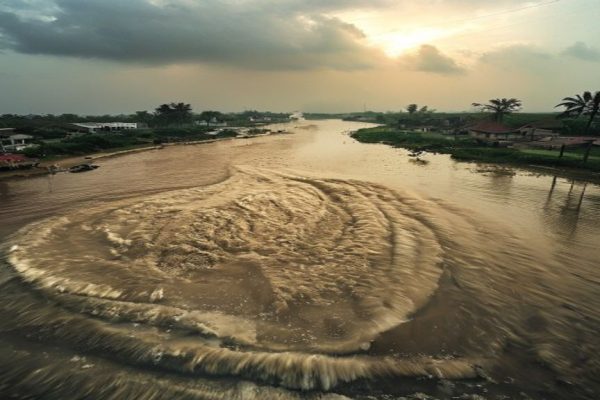
A dramatic image of the Bhola cyclone’s impact, with a stormy sea and a village in the background, showing the destruction and devastation caused by the cyclone. The image should convey the scale and fury of the storm, as well as the human cost of the disaster. The image should also include people in the foreground, showing the resilience and determination of the people of Bangladesh as they struggle to rebuild their lives and their community.
Color palette: Dark blues and grays to convey the stormy weather, with splashes of color to represent the people and their struggle. Composition: The image should be shot from a low angle, with the stormy sea and the village in the background, and the people in the foreground. The image should be dramatic and thought-provoking, conveying the scale and impact of the disaster.






Leave a Reply