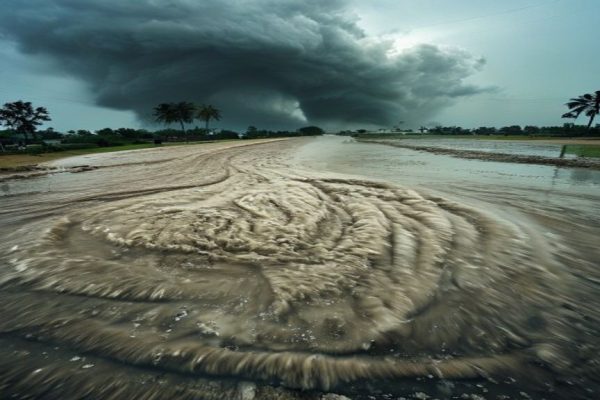
A Catastrophic Storm Unleashed
On November 12, 1970, the Bhola cyclone made landfall on the coast of what was then East Pakistan, now known as Bangladesh. This catastrophic storm would go down in history as one of the deadliest tropical cyclones ever recorded, leaving a trail of destruction and loss in its wake.
The Bhola cyclone brought with it maximum sustained wind speeds of 130 miles per hour (205 kilometers per hour), with gusts reaching as high as 150 miles per hour. The storm surge, a wall of water pushed ashore by the storm, was estimated to be around 20 feet (6 meters) high. This deadly combination of strong winds and storm surge brought widespread devastation to the coastal regions of East Pakistan.
Massive Loss of Life and Property
The Bhola cyclone claimed an estimated 250,000 to 500,000 lives, making it one of the deadliest tropical cyclones in recorded history. The exact number of fatalities remains uncertain due to the lack of reliable data at the time. However, it is widely acknowledged that the storm had a profound impact on the population of East Pakistan, with many families losing loved ones, homes, and livelihoods.
The storm also caused extensive damage to infrastructure, including homes, schools, hospitals, and roads. The cyclone’s impact was felt across the region, with many communities left without access to basic necessities like food, water, and shelter.
Aftermath and Rebuilding Efforts
Following the Bhola cyclone, the government of East Pakistan faced widespread criticism for its inadequate response to the disaster. The lack of preparedness, relief efforts, and support for affected communities was seen as a major failure.
In the years following the cyclone, the government of Pakistan implemented several initiatives to rebuild and strengthen the country’s disaster management capabilities. These efforts included the establishment of the Pakistan Meteorological Department, which provides critical weather forecasts and warnings to help mitigate the impact of future disasters.
The Bhola cyclone also led to a significant shift in the country’s politics, contributing to the rise of the Bangladesh Liberation War in 1971. The cyclone’s devastating impact on East Pakistan galvanized the region’s demand for independence, which eventually led to the creation of the independent nation of Bangladesh.
Lessons Learned and Future Implications
The Bhola cyclone serves as a stark reminder of the importance of disaster preparedness and response. The storm’s impact was exacerbated by the lack of reliable weather forecasts, inadequate infrastructure, and insufficient emergency response efforts.
Today, Bangladesh continues to face significant challenges related to natural disasters, including cyclones, floods, and landslides. However, the country has made significant strides in disaster risk reduction and management, including the establishment of a National Disaster Management Authority.
The lessons learned from the Bhola cyclone have also informed global efforts to improve disaster preparedness and response. International organizations, governments, and NGOs have worked together to develop more effective early warning systems, emergency response protocols, and disaster risk reduction strategies.
Key Takeaways
- The Bhola cyclone was a devastating storm that slammed into the coast of East Pakistan on November 12, 1970, claiming an estimated 250,000 to 500,000 lives.
- The storm brought maximum sustained wind speeds of 130 miles per hour and a 20-foot storm surge, causing widespread destruction and loss.
- The Bhola cyclone led to significant changes in Pakistan’s politics, contributing to the rise of the Bangladesh Liberation War and the eventual creation of the independent nation of Bangladesh.
- The storm’s impact highlighted the importance of disaster preparedness and response, leading to improvements in weather forecasting, emergency response, and disaster risk reduction efforts.
The Bhola cyclone remains a powerful reminder of the importance of disaster preparedness, response, and risk reduction. As the world continues to face increasingly complex and frequent natural disasters, the lessons learned from this devastating storm remain crucial to saving lives and reducing the impact of future disasters.






Leave a Reply