A Catastrophic Storm that Changed the Course of History
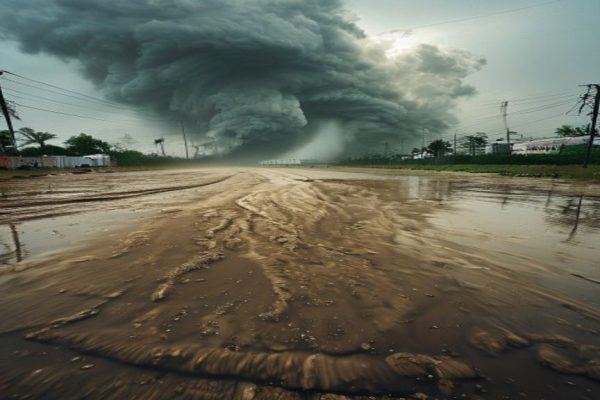
The Bhola cyclone, which made landfall on November 12, 1970, is etched in the collective memory of Bangladesh as one of the most devastating natural disasters in the country’s history. The storm, which was a category 3 cyclone at its peak, brought with it maximum sustained wind speeds of 130 miles per hour (205 kilometers per hour) and a 35-foot (10.6 meters) storm surge that ravaged the coastal areas of what was then East Pakistan.
The cyclone’s impact was felt far beyond the immediate coastal regions, with the storm causing widespread destruction and loss of life in the densely populated rural areas. The official death toll was estimated to be around 250,000 to 500,000, although some estimates put the number of fatalities as high as 1 million. The cyclone also left millions of people homeless, with entire villages being swept away by the storm surge.
The Bhola cyclone was a turning point in the history of Bangladesh, marking a significant shift in the country’s struggle for independence from Pakistan. The cyclone’s impact was exacerbated by the Pakistani government’s slow response to the disaster, which was seen as callous and insensitive by the people of East Pakistan. This perception further galvanized the Bengali nationalist movement, which ultimately led to the country’s independence on December 16, 1971.
A Legacy of Resilience and Adaptation
In the aftermath of the Bhola cyclone, the people of Bangladesh came together to rebuild their communities and recover from the trauma of the disaster. The cyclone led to significant improvements in the country’s disaster preparedness and response mechanisms, including the establishment of the Bangladesh Meteorological Department and the development of early warning systems for cyclones.
The Bhola cyclone also had a profound impact on the country’s agriculture and infrastructure, with the government investing heavily in flood protection and irrigation projects to mitigate the effects of future cyclones. Today, Bangladesh is recognized as a leader in disaster risk reduction and management, with a strong focus on community-based approaches to resilience and adaptation.
Lessons for a Changing Climate
The Bhola cyclone serves as a stark reminder of the devastating impact of climate-related disasters on vulnerable communities. As the world grapples with the challenges of climate change, the lessons of the Bhola cyclone are more relevant than ever.
The cyclone’s impact highlights the need for effective early warning systems, disaster preparedness, and climate-resilient infrastructure. It also underscores the importance of community-based approaches to disaster risk reduction, which prioritize the needs and capacities of local communities.
As Bangladesh continues to evolve and grow, it is essential that the country builds on its experiences and lessons from the Bhola cyclone to address the challenges of a changing climate. By doing so, Bangladesh can serve as a model for other countries in the region and around the world in terms of disaster risk reduction and climate resilience.
- The Bhola cyclone was a category 3 cyclone that made landfall on November 12, 1970, in what was then East Pakistan.
- The storm caused widespread destruction and loss of life, with estimated fatalities ranging from 250,000 to 1 million.
- The cyclone led to significant improvements in the country’s disaster preparedness and response mechanisms.
- The Bhola cyclone has been recognized as a turning point in the history of Bangladesh, marking a shift in the country’s struggle for independence from Pakistan.
- The cyclone serves as a stark reminder of the devastating impact of climate-related disasters on vulnerable communities.






Leave a Reply