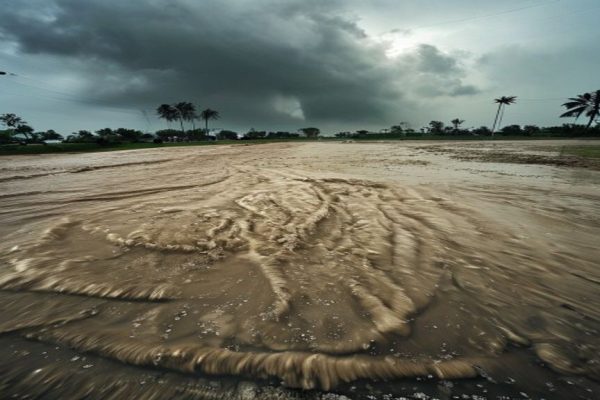
Bhola Cyclone: A Storm that Shaped the Course of History
The Bhola cyclone, which struck the coast of East Pakistan on November 12, 1970, is etched in the memories of those who survived its wrath. The storm, classified as a Category 3-equivalent cyclone, brought with it maximum sustained wind speeds of 130 miles per hour (205 kilometers per hour) and a devastating storm surge that inundated the low-lying areas of the region.
Background and Context
The Bhola cyclone was not an isolated incident. It was a symptom of a larger problem – the changing climate. The 1960s saw a significant increase in global temperatures, which led to more intense and frequent natural disasters. The Bhola cyclone was a wake-up call for the world, highlighting the need for climate action and preparedness.
East Pakistan, now known as Bangladesh, was one of the most densely populated regions in the world at the time. The poor infrastructure and lack of disaster preparedness exacerbated the impact of the cyclone, leading to widespread destruction and loss of life.
Impact and Aftermath
The Bhola cyclone is estimated to have killed between 250,000 to 500,000 people, making it one of the deadliest tropical cyclones in recorded history. The storm also left millions of people homeless, and the economic impact was devastating.
The aftermath of the cyclone saw a significant shift in the global response to natural disasters. The United Nations launched the Disaster Relief Office (DRO), which later became the United Nations Disaster Assessment and Coordination (UNDAC) team. This marked a significant turning point in the global approach to disaster response and management.
The Bhola cyclone also played a significant role in the liberation of Bangladesh. The cyclone and the subsequent famine led to widespread discontent among the population, which ultimately contributed to the country’s independence from Pakistan in 1971.
Lessons Learned and Future Implications
The Bhola cyclone serves as a stark reminder of the importance of climate action and preparedness. As the world continues to grapple with the impacts of climate change, it is essential to learn from the past and adapt to the changing climate.
The Intergovernmental Panel on Climate Change (IPCC) has warned that the frequency and intensity of natural disasters are likely to increase in the coming decades. The Bhola cyclone is a cautionary tale that highlights the need for effective disaster preparedness and response strategies.
The United Nations has launched several initiatives aimed at reducing the impact of natural disasters. The Sendai Framework for Disaster Risk Reduction, adopted in 2015, emphasizes the need for countries to develop and implement disaster risk reduction strategies.
In conclusion, the Bhola cyclone is a significant event in history that serves as a reminder of the devastating impact of climate change. As the world continues to grapple with the challenges of climate change, it is essential to learn from the past and adapt to the changing climate.
The Bhola cyclone is a stark reminder of the importance of climate action and preparedness. As we move forward, it is crucial to implement effective disaster risk reduction strategies and adapt to the changing climate.
Key points:
- The Bhola cyclone was a Category 3-equivalent cyclone that struck the coast of East Pakistan on November 12, 1970.
- The storm brought maximum sustained wind speeds of 130 miles per hour (205 kilometers per hour) and a devastating storm surge.
- The Bhola cyclone is estimated to have killed between 250,000 to 500,000 people.
- The storm played a significant role in the liberation of Bangladesh.
- The Bhola cyclone serves as a cautionary tale for climate action and preparedness.






Leave a Reply