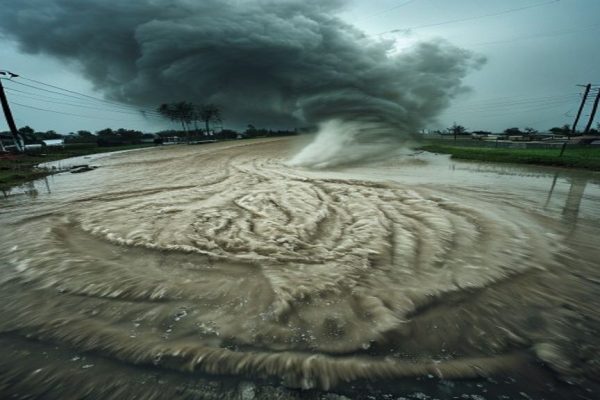
The Bhola Cyclone: A Disaster of Epic Proportions
The Bhola cyclone, which made landfall on November 12, 1970, was one of the deadliest tropical cyclones in history. The storm slammed into the coast of what was then East Pakistan, now Bangladesh, bringing with it maximum sustained wind speeds of 130 miles per hour (205 kilometers per hour) and a 35-foot (10.6-meter) storm surge. The disaster would go on to claim the lives of over 500,000 people, leaving millions more homeless and without access to basic necessities.
A Perfect Storm of Circumstances
The Bhola cyclone was not just a natural disaster; it was also a consequence of a combination of factors that came together to create a perfect storm. The cyclone formed over the Bay of Bengal, where the warm waters of the ocean provided the perfect conditions for the storm to intensify. The storm then made landfall during the peak monsoon season, when the coastal regions of East Pakistan were already experiencing heavy rainfall and flooding. The resulting storm surge was exacerbated by the low-lying coastal areas and the lack of adequate warning systems, which left the population woefully unprepared for the disaster.
The Humanitarian Crisis and its Aftermath
The aftermath of the Bhola cyclone was a humanitarian crisis of epic proportions. The storm had destroyed entire villages, leaving people without access to food, shelter, or medical care. The government of East Pakistan, which was then under the military rule of General Yahya Khan, was slow to respond to the disaster, and the response efforts were hampered by a lack of resources and infrastructure. The international community was also slow to respond, with many countries taking weeks to provide aid to the affected areas. The delay in aid resulted in a significant increase in mortality rates, as people succumbed to preventable diseases and injuries.
The Bhola cyclone also had a profound impact on the politics of East Pakistan. The disaster highlighted the deep-seated issues of poverty, inequality, and lack of infrastructure in the region. The Bengali people, who had long been marginalized and oppressed by the Pakistani government, saw the disaster as a wake-up call to demand greater autonomy and eventually, independence. The subsequent Bangladesh Liberation War, which began in 1971, would go on to claim the lives of millions more and ultimately lead to the creation of the independent nation of Bangladesh.
Lessons Learned and Future Implications
The Bhola cyclone was a disaster that was avoidable, but for a combination of factors. The cyclone highlighted the need for improved warning systems, better infrastructure, and more effective disaster response mechanisms. In the years since, Bangladesh has made significant progress in disaster risk reduction and management, including the development of early warning systems and improved infrastructure. However, the country still faces significant challenges in terms of climate change, poverty, and inequality, which make it vulnerable to future disasters.
The Bhola cyclone is a reminder of the devastating impact of natural disasters and the importance of preparedness, early warning systems, and effective response mechanisms. As the world continues to grapple with the challenges of climate change and disaster risk reduction, the Bhola cyclone serves as a stark reminder of the need for collective action and international cooperation to mitigate the impacts of disasters.
Key Facts and Figures
- Maximum sustained wind speed: 130 miles per hour (205 kilometers per hour)
- Storm surge: 35 feet (10.6 meters)
- Death toll: over 500,000 people
- Number of people displaced: millions
- Country: Bangladesh (then East Pakistan)
- Date: November 12, 1970






Leave a Reply