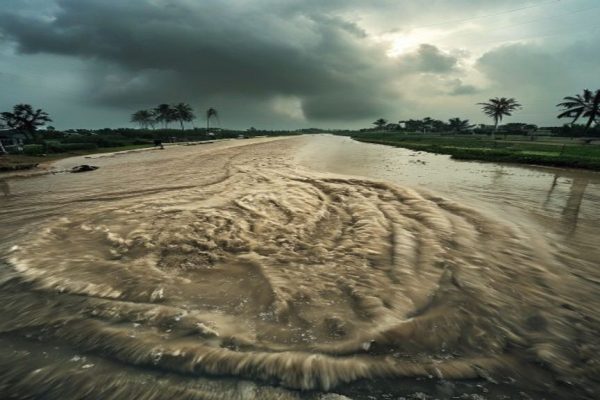
A Catastrophic Event in Bangladesh’s History
The Bhola cyclone that struck the coast of what was then East Pakistan on November 12, 1970, is considered one of the deadliest tropical cyclones in recorded history. The storm’s fury left an indelible mark on the region, resulting in an unprecedented catastrophe that claimed an estimated 500,000 to 1 million lives. The cyclone’s impact was so profound that it played a significant role in shaping modern Bangladesh’s history and politics.
Background and Context
The Bhola cyclone was a Category 5-equivalent cyclone that formed in the Bay of Bengal on November 10, 1970. It intensified rapidly, fueled by warm ocean waters and a favorable atmospheric environment. As the cyclone approached the coast of East Pakistan, authorities were caught off guard, and the population was largely unaware of the impending disaster. The cyclone made landfall in the Bhola region, which is now part of Bangladesh, with maximum sustained wind speeds of 130 miles per hour (205 kilometers per hour) and a 35-foot (10.6 meters) storm surge.
The cyclone’s impact was exacerbated by a combination of factors, including a lack of preparedness, inadequate infrastructure, and a poorly managed evacuation process. The storm surge inundated coastal areas, causing widespread destruction and flooding. The cyclone also triggered landslides and mudslides, further exacerbating the disaster.
Aftermath and Impact
The aftermath of the Bhola cyclone was nothing short of catastrophic. Estimated death tolls ranged from 500,000 to 1 million, with millions more left homeless and displaced. The cyclone’s impact was felt across the region, with widespread destruction of homes, infrastructure, and crops. The disaster also had a profound impact on the politics of East Pakistan, which ultimately led to the country’s independence as Bangladesh in 1971.
The Bhola cyclone led to a significant shift in the global response to natural disasters. The disaster highlighted the need for improved disaster preparedness, early warning systems, and evacuation procedures. The cyclone also led to significant changes in the way that international aid and assistance are delivered in the aftermath of a disaster.
Legacy and Rememberance
The Bhola cyclone is remembered as one of the deadliest natural disasters in recorded history. The cyclone’s legacy serves as a reminder of the importance of disaster preparedness, early warning systems, and effective evacuation procedures. The cyclone also serves as a testament to the resilience of the people of Bangladesh, who have rebuilt and recovered from the devastation.
Today, the Bhola cyclone is commemorated as a national tragedy in Bangladesh. The disaster serves as a reminder of the importance of preparedness and the need for continued investment in disaster risk reduction and management. The cyclone’s legacy also serves as a reminder of the importance of international cooperation and assistance in responding to natural disasters.
- The Bhola cyclone is considered one of the deadliest tropical cyclones in recorded history.
- The cyclone claimed an estimated 500,000 to 1 million lives.
- The disaster led to significant changes in disaster preparedness and response.
- The Bhola cyclone played a significant role in shaping modern Bangladesh’s history and politics.
The Bhola cyclone is a powerful reminder of the importance of disaster preparedness, early warning systems, and effective evacuation procedures. The disaster’s legacy serves as a testament to the resilience of the people of Bangladesh and the importance of international cooperation and assistance in responding to natural disasters.






Leave a Reply