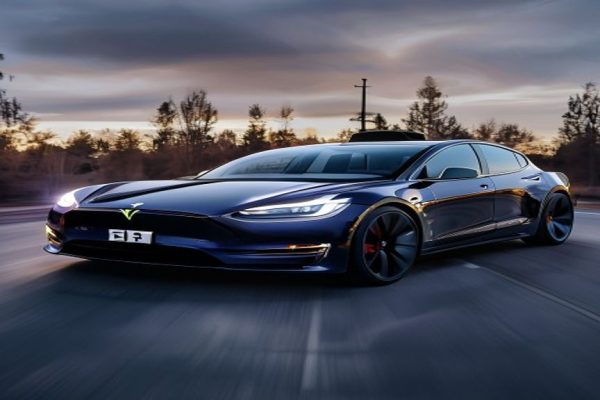
Tesla FSD Update: A Setback for HW3 Vehicle Owners
Tesla, the electric vehicle manufacturer, has made significant strides in the development of its Full Self-Driving (FSD) technology. However, in a recent update, the company has announced that vehicles equipped with Hardware 3 (HW3) will not be receiving unsupervised FSD capabilities. This development has left many Tesla owners and enthusiasts wondering about the implications of this decision.
Background on Tesla FSD and HW3
Tesla’s FSD technology aims to enable vehicles to operate autonomously, without human intervention. The technology uses a combination of cameras, sensors, and software to navigate roads and traffic. HW3 is the third iteration of Tesla’s hardware suite, designed to support advanced driver-assistance systems (ADAS) and autonomous driving capabilities.
In 2016, Tesla began rolling out its Autopilot feature, which allowed vehicles to steer, accelerate, and brake automatically on highways. Since then, the company has been working on refining its FSD technology, with the goal of enabling fully autonomous driving. However, the development process has been slow, with several setbacks and controversies along the way.
Why is Unsupervised FSD Being Delayed for HW3 Vehicles?
According to Tesla’s statement, the reason for delaying unsupervised FSD capabilities for HW3 vehicles is due to the limitations of the hardware. HW3, while designed to support advanced autonomous driving capabilities, may not be sufficient to support the complex algorithms and processing power required for unsupervised FSD. This decision suggests that Tesla is prioritizing the safety and reliability of its FSD technology over the need to provide it to HW3 vehicle owners as soon as possible.
Another possible reason for the delay is the need for further refinement and testing of the FSD technology. Tesla has been working on improving the accuracy and reliability of its FSD system, and it may be that the company wants to ensure that the technology is ready for widespread adoption before releasing it to HW3 vehicle owners.
Future Implications and Roadmap for FSD
The delay in unsupervised FSD capabilities for HW3 vehicles raises several questions about the future of Tesla’s FSD technology. Will HW3 vehicles be able to receive FSD capabilities at all? If so, will it be supervised or unsupervised? And what does this mean for the development of autonomous driving technology in general?
While Tesla has not provided a clear roadmap for when or if HW3 vehicles will receive FSD capabilities, the company has stated that it is committed to continuing the development of its FSD technology. This suggests that Tesla is prioritizing the long-term potential of its FSD technology over the short-term needs of its HW3 vehicle owners.
As the autonomous driving industry continues to evolve, it will be interesting to see how Tesla’s FSD technology develops. Will other manufacturers follow in Tesla’s footsteps, or will they take a different approach to developing their own autonomous driving capabilities? Only time will tell.
Key points:
- Tesla has delayed unsupervised FSD capabilities for HW3 vehicles due to hardware limitations and the need for further refinement and testing.
- The delay raises questions about the future of Tesla’s FSD technology and its development roadmap.
- Tesla is committed to continuing the development of its FSD technology, but a clear timeline for HW3 vehicle owners is unknown.
Conclusion
The delay in unsupervised FSD capabilities for HW3 vehicles is a setback for Tesla owners and enthusiasts. However, it also highlights the complexities and challenges involved in developing autonomous driving technology. As the industry continues to evolve, it will be interesting to see how Tesla’s FSD technology develops and how it compares to other manufacturers’ approaches.






Leave a Reply