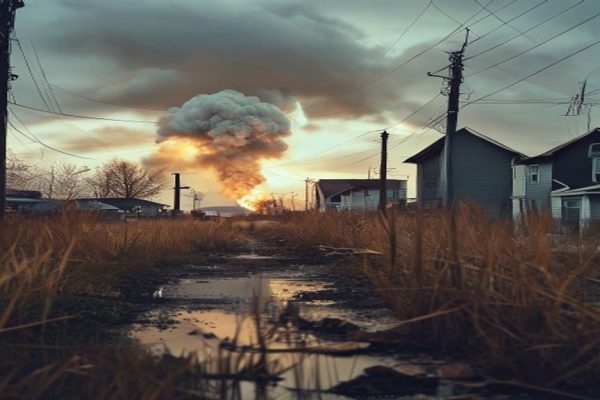
Rising Utility Bills: A Growing Concern for Households
Rising utility bills and higher oil and gas prices are a daunting reality for many people worldwide. The current situation is exacerbated by the ongoing war in the Middle East and the escalating costs of protecting utility infrastructure from increasingly extreme weather events. The convergence of these factors has created a perfect storm that threatens to upend the financial stability of households and businesses alike.
The War in the Middle East: A Key Driver of Higher Energy Prices
The conflict in the Middle East has disrupted global oil and gas supplies, leading to a sharp increase in prices. The war has damaged critical infrastructure, including pipelines and refineries, which has further exacerbated the shortage. As a result, energy prices have skyrocketed, making it increasingly difficult for households and businesses to afford basic necessities like heating and cooling.
The Impact of Extreme Weather on Utility Infrastructure
Extreme weather events such as hurricanes, wildfires, and droughts have become more frequent and intense due to climate change. These events pose a significant threat to utility infrastructure, including power lines, transmission towers, and water treatment plants. The cost of repairing and replacing damaged infrastructure is staggering, and these costs are inevitably passed on to consumers in the form of higher utility bills.
The Economic Burden of Rising Utility Bills
The rising cost of utility bills is a significant economic burden for households and businesses. As prices continue to rise, many people will be forced to make difficult choices between paying their utility bills and other essential expenses like rent/mortgage, food, and healthcare. This can lead to a vicious cycle of debt and financial hardship, particularly for vulnerable populations such as low-income households and the elderly.
Key Points to Consider
- The war in the Middle East has disrupted global oil and gas supplies, leading to higher energy prices.
- Extreme weather events pose a significant threat to utility infrastructure, increasing repair and replacement costs.
- Rising utility bills are a significant economic burden for households and businesses.
- The cost of protecting utility infrastructure from extreme weather events is a major contributor to rising utility bills.
What’s Next?
As the situation continues to unfold, it’s essential to consider potential solutions to mitigate the impact of rising utility bills. Some possible strategies include:
Investing in renewable energy sources to reduce dependence on fossil fuels.
Improving utility infrastructure to make it more resilient to extreme weather events.
Implementing energy-efficient measures to reduce consumption and lower utility bills.
Providing financial assistance to households and businesses struggling to pay their utility bills.
Conclusion
In conclusion, the rising cost of utility bills is a pressing concern that requires immediate attention. The perfect storm of war, weather, and economics has created a perfect recipe for financial instability. By understanding the factors driving this trend and exploring potential solutions, we can work towards a more sustainable and equitable future for all.






Leave a Reply