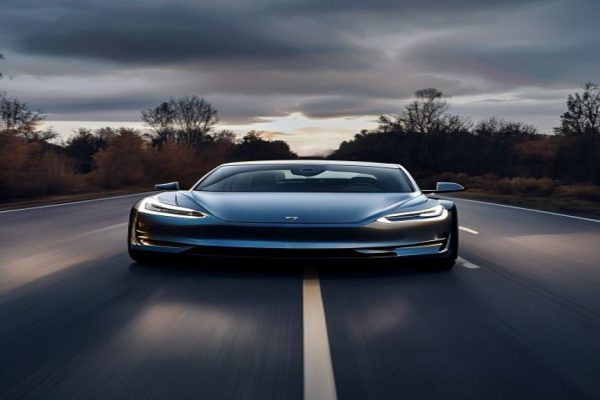
Tesla’s Full Self-Driving (FSD) Update Hits a Roadblock
Tesla has been at the forefront of autonomous vehicle technology, with its Full Self-Driving (FSD) system being one of the most widely discussed and tested features in the industry. However, it appears that the company has made a crucial decision regarding the rollout of unsupervised FSD for its HW3-equipped vehicles.
According to recent reports, Tesla has confirmed that its cars equipped with Hardware 3 (HW3) will not be receiving the unsupervised FSD update. This decision has left many in the tech community scratching their heads, wondering why Tesla would hold back on a feature that has been touted as a game-changer for the industry.
Background and Context
For those unfamiliar, Tesla’s HW3 is a significant upgrade to the company’s Autopilot system, providing a more robust and sophisticated platform for its FSD technology. The HW3 upgrade has been a major focus for Tesla in recent years, with the company investing heavily in the development of its autonomous driving capabilities.
However, the rollout of unsupervised FSD has been a contentious issue, with many experts questioning the safety and efficacy of such a feature. While Tesla has consistently maintained that its FSD system is ready for widespread adoption, others have expressed concerns about the potential risks and consequences of releasing an unsupervised system to the public.
Reasons Behind the Decision
So, what led Tesla to hold back on the unsupervised FSD update for HW3 cars? According to sources close to the company, Tesla is still working on addressing the technical and regulatory hurdles that need to be overcome before releasing such a feature.
One major concern is the issue of liability. With unsupervised FSD, Tesla would be assuming a significant amount of responsibility for any accidents or incidents that may occur. This is a major hurdle, as the company would need to demonstrate that its system is foolproof and capable of handling complex scenarios.
Additionally, Tesla is also facing regulatory challenges. Many countries have strict laws and regulations governing the development and deployment of autonomous vehicles, and Tesla would need to comply with these requirements before releasing unsupervised FSD.
Future Implications
So, what does this decision mean for Tesla and the wider autonomous vehicle industry? While it may seem like a setback for Tesla, the company is still committed to developing and deploying FSD technology.
In fact, Tesla has already begun testing its FSD system in select markets, with the company working closely with regulatory bodies to ensure compliance with local laws and regulations.
As for the wider industry, this decision highlights the need for caution and careful consideration when developing and deploying autonomous vehicle technology. While the potential benefits of FSD are significant, the risks and challenges associated with such a feature cannot be ignored.
Key Takeaways:
- Tesla has confirmed that its HW3-equipped vehicles will not receive the unsupervised FSD update.
- The decision is due to technical and regulatory hurdles that need to be overcome before releasing such a feature.
- Tesla is still committed to developing and deploying FSD technology, with the company already testing its system in select markets.
- The decision highlights the need for caution and careful consideration when developing and deploying autonomous vehicle technology.






Leave a Reply