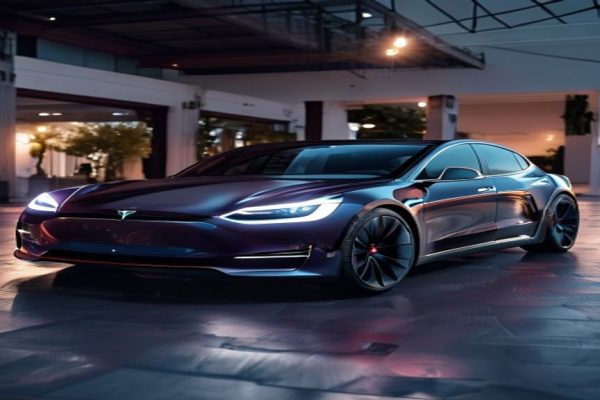
Tesla’s Cheaper Model 2: A Game-Changer in the Electric Vehicle Market?
In a surprise move, Tesla CEO Elon Musk has reportedly reconsidered the company’s plans to build a $25,000 Model 2, a cheaper electric car that was initially canceled in 2024. This decision comes at a time when the company’s self-driving capabilities are facing significant setbacks, raising questions about the future direction of Tesla’s technology.
The Background: Tesla’s Initial Decision
In 2024, Tesla announced plans to build a $25,000 Model 2, a more affordable electric car aimed at the mass market. The company had high hopes for the vehicle, which was expected to be a significant addition to its lineup. However, just months later, Tesla abruptly canceled the project, citing various reasons, including supply chain issues and production costs.
The Self-Driving Setbacks: A New Catalyst
Fast-forward to the present, and Tesla’s self-driving capabilities are facing significant challenges. The company’s Full Self-Driving (FSD) technology, which was once hailed as a game-changer, has been plagued by issues related to sensor accuracy, software bugs, and regulatory scrutiny. These setbacks have led to a decline in investor confidence, with some analysts questioning the company’s ability to deliver on its self-driving promises.
In light of these challenges, Elon Musk may be rethinking the company’s strategy, including the possibility of reviving the $25,000 Model 2. A cheaper electric car could help Tesla regain its footing in the market, improve its brand image, and provide a much-needed boost to its sales figures.
The Future Implications: A Cheaper Tesla and the Electric Vehicle Market
If Tesla does indeed revive the $25,000 Model 2, it could have significant implications for the electric vehicle market. A more affordable Tesla could attract a wider range of customers, including those who may not have considered an electric car previously. This, in turn, could lead to increased adoption rates, driving demand for electric vehicles and helping to reduce greenhouse gas emissions.
However, the revival of the $25,000 Model 2 also raises questions about Tesla’s commitment to its high-end electric cars, including the Model S and Model X. Will the company continue to focus on its premium offerings, or will it shift its attention to a more mass-market approach? These questions will be answered in the coming months as Tesla continues to navigate the ever-changing landscape of the electric vehicle market.
Key points to watch:
- Tesla’s self-driving capabilities continue to face significant challenges, including sensor accuracy issues and regulatory scrutiny.
- The company’s Full Self-Driving (FSD) technology is still in development, but its rollout has been slower than expected.
- A cheaper Tesla could help the company regain its footing in the market, improve its brand image, and provide a much-needed boost to its sales figures.
- The revival of the $25,000 Model 2 could have significant implications for the electric vehicle market, including increased adoption rates and reduced greenhouse gas emissions.
Image Prompt: A futuristic illustration of a Tesla Model 2 driving down a highway, with a cityscape in the background. The car is depicted in a sleek, modern design, with a bold color scheme and prominent Tesla branding. In the foreground, a person is shown sitting in the driver’s seat, looking out at the road ahead with a sense of excitement and possibility.






Leave a Reply