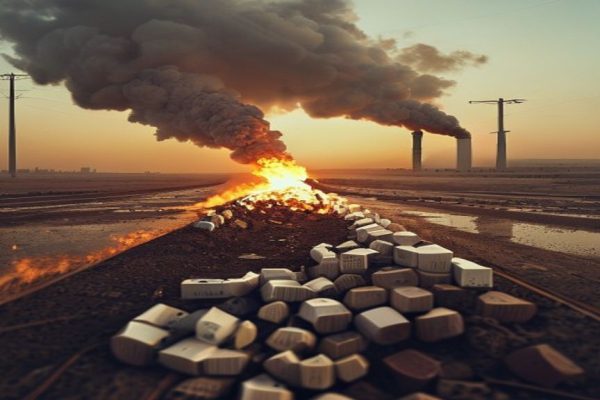
Escalating Costs and the War in the Middle East
The ongoing conflict in the Middle East has been a major contributor to the rising costs of oil and gas. The region is home to some of the world’s largest oil reserves, and the turmoil has disrupted global supply chains, leading to a surge in prices. This, in turn, has had a ripple effect on utility bills, making them unaffordable for many households.
The war in Ukraine has further exacerbated the situation, with Russia being one of the world’s largest oil producers. The sanctions imposed on Russia have led to a significant reduction in oil exports, resulting in a shortage of supply and, consequently, higher prices. This perfect storm of events has left many people struggling to pay their utility bills.
The Cost of Protecting Infrastructure from Extreme Weather
Another factor contributing to the rise in utility bills is the increasing cost of protecting infrastructure from extreme weather events. Climate change has led to more frequent and severe weather events, such as hurricanes, floods, and heatwaves. This has put a strain on utility companies, which are forced to invest heavily in upgrading their infrastructure to withstand these events.
According to a report by the International Energy Agency (IEA), the cost of protecting infrastructure from extreme weather events is expected to reach $1.4 trillion by 2030. This is a significant burden on utility companies, which are already facing challenges in maintaining their infrastructure. As a result, they are passing on the costs to consumers in the form of higher utility bills.
The Human Impact: Struggling Households and Small Businesses
The rising utility bills are having a devastating impact on households and small businesses. Many people are being forced to choose between paying their utility bills and other essential expenses, such as food and rent. This is leading to a rise in energy poverty, with many households unable to afford the basic necessities of life.
Small businesses are also feeling the pinch, as higher utility bills are eating into their profits. This is particularly worrying for small businesses, which are often the backbone of local economies. They are struggling to stay afloat, and the rising utility bills are making it even harder for them to survive.
In order to mitigate the impact of rising utility bills, governments and utility companies need to work together to find solutions. This could include investing in renewable energy sources, improving energy efficiency, and providing financial assistance to households and small businesses.
What Can Be Done to Address the Issue?
There are several steps that can be taken to address the issue of rising utility bills:
- Investing in renewable energy sources, such as solar and wind power, to reduce dependence on fossil fuels.
- Improving energy efficiency in buildings and homes to reduce energy consumption.
- Providing financial assistance to households and small businesses to help them pay their utility bills.
- Investing in infrastructure to protect against extreme weather events.
By working together, we can find solutions to the problem of rising utility bills and ensure that everyone has access to affordable energy.
Conclusion
The rising utility bills are a perfect storm brewing in the Middle East, driven by the war and the cost of protecting infrastructure from extreme weather events. This is having a devastating impact on households and small businesses, leading to energy poverty and struggling to stay afloat. By investing in renewable energy sources, improving energy efficiency, and providing financial assistance, we can find solutions to this problem and ensure that everyone has access to affordable energy.
As the situation continues to unfold, it is essential to stay informed and up-to-date with the latest developments. We will continue to monitor the situation and provide updates as more information becomes available.






Leave a Reply