Tesla’s HW3 Cars Won’t Get Unsupervised FSD: What Now?
Tesla’s Full Self-Driving (FSD) technology has been a subject of interest and debate among electric vehicle enthusiasts and the tech-savvy community. Recently, a revelation has been made public, indicating that Tesla cars equipped with Hardware 3 (HW3) will not receive unsupervised FSD capabilities. This news has sparked a multitude of reactions, ranging from disappointment to understanding. But what does this mean for Tesla, its customers, and the future of autonomous driving?
Background: Tesla’s FSD Development
Tesla’s Full Self-Driving technology has been under development for several years, with the initial promise of making its electric vehicles capable of navigating through roads without human intervention. The company has been testing and refining its FSD capabilities, with some users reporting successful experiences. However, the development process has also been marked by controversies and setbacks, including numerous recalls and criticism from regulatory bodies.
The Role of Hardware 3 (HW3)
Tesla’s HW3 is the latest iteration of the company’s onboard computer, designed to support more advanced features, including improved Autopilot capabilities and, eventually, FSD. However, the HW3 architecture was initially expected to be capable of handling unsupervised FSD, allowing Tesla cars to navigate through roads without human intervention.
What Does this Mean for Tesla’s FSD Plans?
The revelation that HW3 cars will not receive unsupervised FSD capabilities raises questions about Tesla’s FSD development timeline and its overall strategy. It is unclear whether this decision was made due to technical limitations or regulatory concerns. Tesla has not provided an official explanation for this decision, leading to speculation and debate among experts and enthusiasts.
Impact on Tesla Customers and Future of Autonomous Driving
For Tesla customers, this news may come as a disappointment, as they had initially expected to receive unsupervised FSD capabilities. However, it is essential to note that Tesla’s FSD technology is still in its development stage, and the company has been gradually rolling out incremental updates to its Autopilot capabilities. While unsupervised FSD may not be available for HW3 cars, Tesla’s FSD technology is still expected to improve over time.
In the broader context, this news highlights the complexities and challenges associated with developing autonomous driving technology. It underscores the need for ongoing research, testing, and refinement to ensure the safety and reliability of these systems. As the autonomous driving industry continues to evolve, we can expect to see more innovative solutions and advancements in the coming years.
What’s Next for Tesla and FSD?
Tesla has not provided a clear timeline for when FSD capabilities will be available for HW3 cars. The company’s focus on refining its Autopilot capabilities and improving its FSD technology suggests that it will continue to prioritize the development of its autonomous driving systems. As the industry continues to evolve, we can expect to see more updates and advancements in the future.
Conclusion
The news that Tesla’s HW3 cars will not receive unsupervised FSD capabilities has sparked a range of reactions and questions. While this may be a setback for Tesla customers, it is essential to remember that the company’s FSD technology is still in its development stage. As the industry continues to evolve, we can expect to see more innovative solutions and advancements in the future. The development of autonomous driving technology is a complex and challenging process, and it is essential to prioritize safety, reliability, and regulatory compliance.
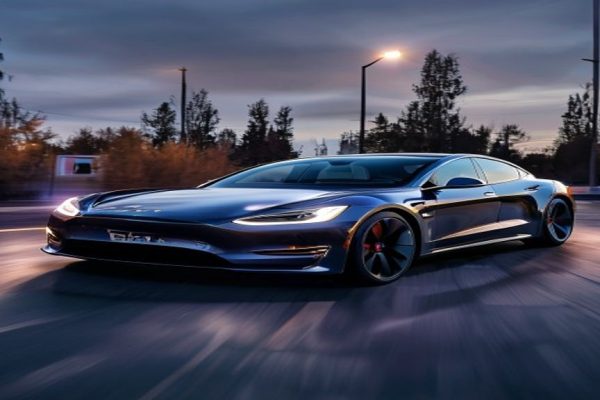
Image Prompt: An AI-generated image of a Tesla car on a highway, with a subtle hint of a human hand on the wheel, symbolizing the gradual development of autonomous driving technology.






Leave a Reply