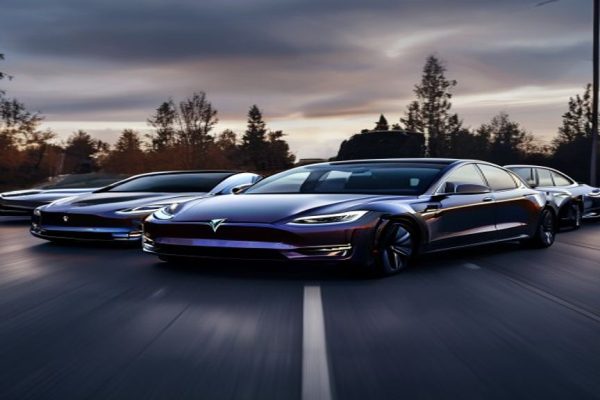
Tesla’s FSD Saga Continues: HW3 Owners Left Out
Tesla’s Full Self-Driving (FSD) technology has been a highly anticipated feature for many electric vehicle owners. However, recent developments have cast a shadow of uncertainty over the fate of unsupervised FSD capabilities for Tesla cars equipped with Hardware 3 (HW3). In a recent update, Tesla announced that HW3 cars will not be receiving unsupervised FSD, leaving many owners wondering about the reasons behind this decision.
A Brief History of FSD and HW3
For those unfamiliar with the subject, FSD is an advanced driver-assistance system (ADAS) developed by Tesla to enable autonomous driving capabilities in its vehicles. The technology has undergone significant improvements over the years, with Tesla gradually rolling out new features and updates to its fleet. The introduction of HW3 marked a significant milestone in FSD’s development, as it brought improved processing power and enhanced sensor suites to Tesla’s vehicles.
However, despite HW3’s capabilities, Tesla has faced numerous challenges in perfecting FSD. The company has faced criticism and scrutiny over the technology’s limitations and the risks associated with unsupervised FSD. In response, Tesla has taken a cautious approach, opting to disable unsupervised FSD on HW3 cars and instead focus on refining the technology through supervised and semi-autonomous modes.
The Reasons Behind HW3’s FSD Limitations
So, why exactly are HW3 cars being left out of the unsupervised FSD party? According to Tesla, the primary reason is the company’s commitment to ensuring the safety and reliability of its FSD technology. By disabling unsupervised FSD on HW3 cars, Tesla can focus on fine-tuning the system through supervised and semi-autonomous modes, which provide a more controlled and secure experience for drivers.
Another reason is the company’s desire to prioritize the development of more advanced FSD features. By concentrating on refining its technology, Tesla can create a more comprehensive and seamless autonomous driving experience for its customers. This approach also allows the company to stay ahead of the competition and maintain its position as a leader in the EV and ADAS markets.
The Future of FSD and HW3
While HW3 cars may be missing out on unsupervised FSD for now, Tesla has not ruled out the possibility of adding this feature in the future. In fact, the company has a history of surprising its customers with updates and improvements, so it’s possible that unsupervised FSD could be reintroduced on HW3 cars at some point.
In the meantime, Tesla owners with HW3 cars can still enjoy the benefits of supervised and semi-autonomous FSD modes. These features provide a high level of convenience and safety, and they can be easily activated through the Tesla app or in-car interface.
Key Takeaways
- Tesla has announced that HW3 cars will not receive unsupervised FSD, citing safety and reliability concerns.
- The company is prioritizing the development of more advanced FSD features through supervised and semi-autonomous modes.
- HW3 owners can still enjoy the benefits of supervised and semi-autonomous FSD modes, which provide a high level of convenience and safety.
- Tesla has not ruled out the possibility of adding unsupervised FSD to HW3 cars in the future.
In conclusion, Tesla’s decision to disable unsupervised FSD on HW3 cars may come as a disappointment to some owners, but it’s a necessary step in the company’s mission to create a safe and reliable autonomous driving experience. By prioritizing the development of more advanced FSD features, Tesla can stay ahead of the competition and maintain its position as a leader in the EV and ADAS markets.






Leave a Reply