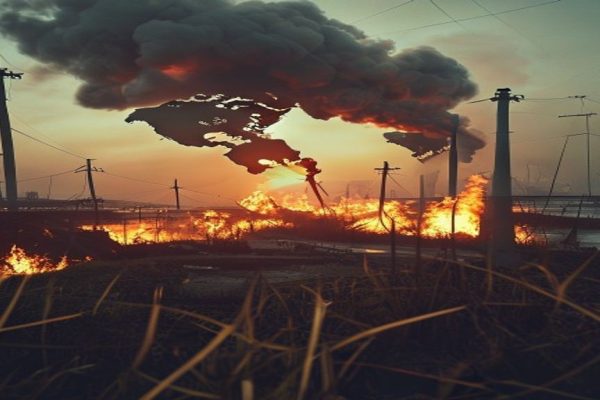
Global Energy Crisis Looms as War in the Middle East Drives Up Oil and Gas Prices
The ongoing war in the Middle East has sent shockwaves across the global energy market, with rising utility bills and higher oil and gas prices becoming a major concern for many people. The conflict has disrupted oil production and exports, leading to a significant increase in prices and a potential energy crisis.
The Impact of the Middle East Conflict on Global Energy Markets
The Middle East is the world’s largest oil-producing region, accounting for over 30% of global oil production. The war in the region has resulted in a significant reduction in oil production, leading to a shortage of supply and a subsequent increase in prices. This has had a ripple effect on global energy markets, with prices rising sharply in recent weeks.
According to data from the International Energy Agency (IEA), the price of Brent crude oil rose by over 10% in the past month, while the price of WTI crude oil rose by over 12%. This has had a direct impact on utility bills, with many households and businesses facing higher costs for electricity and gas.
The Role of Extreme Weather in the Energy Crisis
While the war in the Middle East is a significant factor in the current energy crisis, it is not the only contributing factor. Extreme weather events, such as hurricanes and wildfires, have also played a major role in disrupting energy infrastructure and driving up prices.
According to a report by the National Oceanic and Atmospheric Administration (NOAA), 2022 was one of the hottest years on record, with many parts of the world experiencing extreme weather events. This has put a strain on energy infrastructure, leading to power outages and disruptions to supply.
The Future Implications of the Energy Crisis
The current energy crisis has significant implications for the future of the global energy market. With rising utility bills and higher oil and gas prices becoming a major concern, many households and businesses are looking for alternatives to traditional fossil fuels.
Renewable energy sources, such as solar and wind power, are becoming increasingly popular as a way to reduce reliance on fossil fuels and lower energy bills. According to data from the IEA, renewable energy accounted for over 30% of global power generation in 2022, up from just 20% in 2010.
However, the transition to renewable energy is not without its challenges. The cost of renewable energy technologies is still higher than traditional fossil fuels, and there are concerns about the reliability and stability of renewable energy supply.
Key Points:
- The war in the Middle East has disrupted oil production and exports, leading to a significant increase in prices.
- Extreme weather events, such as hurricanes and wildfires, have also played a major role in disrupting energy infrastructure and driving up prices.
- The current energy crisis has significant implications for the future of the global energy market.
- Renewable energy sources, such as solar and wind power, are becoming increasingly popular as a way to reduce reliance on fossil fuels and lower energy bills.
Image Prompt: A dramatic image of a oil refinery on fire, with a cityscape in the background. The image should convey the sense of panic and chaos that has gripped the global energy market in recent weeks.






Leave a Reply