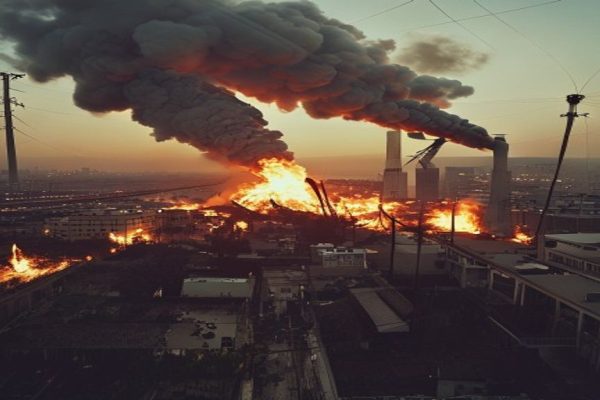
Escalating Conflict in the Middle East: A Perfect Storm for Global Energy Prices
The ongoing war in the Middle East has created a perfect storm for global energy prices, exacerbating concerns about rising utility bills. The conflict has disrupted oil and gas production, leading to a surge in prices. This, in turn, is affecting the cost of goods and services, making it even more challenging for individuals and businesses to manage their expenses.
The Middle East is home to some of the world’s largest oil and gas reserves, and any disruption to production can have far-reaching consequences. The war has already led to a significant increase in oil prices, which is being felt across the globe. As a result, consumers are facing higher energy bills, which is a major concern for many families and businesses.
The Humanitarian Impact of Rising Energy Prices
The humanitarian impact of rising energy prices cannot be overstated. For many low-income households, higher energy bills can be a significant burden, leading to difficult choices between paying for essential services like food and healthcare or paying their energy bills. This can have a knock-on effect on mental and physical health, as well as economic stability.
The situation is particularly dire for vulnerable populations, such as the elderly and those with disabilities, who often rely on energy-intensive medical equipment to survive. Rising energy prices can put these essential services out of reach, leaving individuals with no alternative but to go without.
Climate Change: The Other Major Factor Driving Up Utility Bills
While the war in the Middle East is a significant contributor to rising energy prices, climate change is the other major factor driving up utility bills. Extreme weather events, such as heatwaves and droughts, are becoming more frequent and intense, putting a strain on energy infrastructure. As a result, utility companies are having to invest in new infrastructure to meet the changing needs of their customers.
The cost of this investment is being passed on to consumers in the form of higher energy bills. This is a major concern for many households, who are already struggling to make ends meet. The situation is exacerbated by the fact that many energy companies are still recovering from the costs of investing in renewable energy sources, which are becoming increasingly important in the fight against climate change.
The Future Implications of Rising Energy Prices
The future implications of rising energy prices are significant. As the global population continues to grow, energy demand is expected to increase, putting even more pressure on energy supplies. This could lead to further price increases, making it even more challenging for individuals and businesses to manage their expenses.
However, there are also opportunities for innovation and investment in the energy sector. The transition to renewable energy sources, such as solar and wind power, is gaining momentum, and many companies are investing in new technologies to reduce energy consumption and increase energy efficiency.
In conclusion, the rising energy prices caused by the war in the Middle East and climate change are a major concern for many people around the world. While the humanitarian impact of these price increases is significant, there are also opportunities for innovation and investment in the energy sector. As we look to the future, it is essential that we prioritize sustainable energy solutions and invest in new technologies to reduce our reliance on fossil fuels.
Key points:
- The war in the Middle East has disrupted oil and gas production, leading to a surge in prices.
- Rising energy prices are affecting the cost of goods and services, making it challenging for individuals and businesses to manage their expenses.
- The humanitarian impact of rising energy prices is significant, particularly for low-income households and vulnerable populations.
- Climate change is another major factor driving up utility bills, as extreme weather events put a strain on energy infrastructure.
- The future implications of rising energy prices are significant, with opportunities for innovation and investment in the energy sector.






Leave a Reply