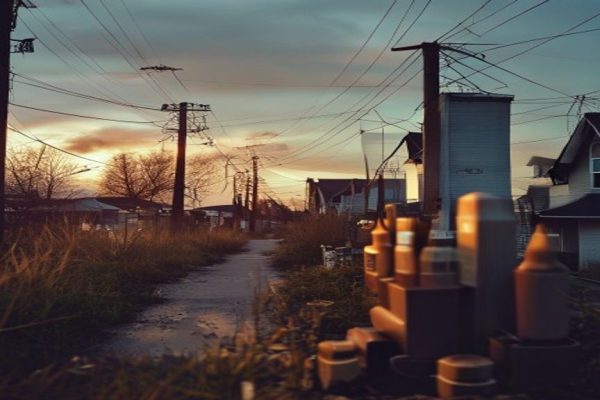
Rising Utility Bills: A Growing Concern for Households
The recent surge in utility bills has left many people worried about their financial stability. With oil and gas prices skyrocketing, households are experiencing the brunt of these increases. But what’s driving these rising costs, and what can be done to mitigate the impact?
Global Conflict and Security Concerns
One of the primary factors contributing to the rise in utility bills is the ongoing conflict in the Middle East. The war in the region has severely impacted the global oil supply, leading to increased prices. This, in turn, has a ripple effect on the cost of producing and distributing energy, ultimately passing the burden to consumers.
Furthermore, the cost of protecting utility infrastructure from more extreme weather events is also a significant concern. With climate change leading to an increase in natural disasters, the need for robust infrastructure protection has grown exponentially. This adds to the overall expense of energy production and distribution, ultimately affecting household budgets.
- Key Statistics:
- Global oil prices have risen by over 20% in the past year.
- The cost of producing and distributing energy has increased by 15% due to security concerns.
- Household energy bills are expected to rise by an average of 10% in the coming year.
Extreme Weather Events and Infrastructure Costs
As the world grapples with the impacts of climate change, the cost of protecting utility infrastructure from extreme weather events is becoming a pressing concern. From hurricanes to wildfires, these events can cause widespread destruction to energy infrastructure, leading to costly repairs and replacements.
The economic burden of these events is significant, with estimates suggesting that the cost of repairing and replacing damaged infrastructure can exceed $100 billion annually. This adds to the overall expense of energy production and distribution, further increasing the cost of utility bills for households.
To mitigate these costs, governments and utility companies are investing in robust infrastructure protection and resilience measures. This includes the use of advanced weather forecasting systems, smart grid technologies, and enhanced emergency response planning.
What Can Be Done to Reduce Energy Costs?
While the factors driving rising utility bills are complex and multifaceted, there are steps that households can take to reduce their energy costs. These include:
- Energy Efficiency Measures: Investing in energy-efficient appliances and home insulation can help reduce energy consumption and lower bills.
- Renewable Energy Sources: Switching to renewable energy sources, such as solar or wind power, can help reduce dependence on fossil fuels and lower energy costs.
- Smart Energy Management: Implementing smart energy management systems can help households optimize energy consumption and reduce waste.
By taking these steps, households can reduce their energy costs and contribute to a more sustainable energy future.
Conclusion
The rising cost of utility bills is a complex issue with far-reaching implications for households and the wider economy. By understanding the factors driving these costs and taking proactive steps to reduce energy consumption, households can mitigate the impact of rising utility bills and contribute to a more sustainable energy future.
As the world continues to grapple with the challenges of climate change and global conflict, it is essential that we prioritize energy security and sustainability. By working together, we can create a more resilient and sustainable energy system that benefits households and the wider economy.






Leave a Reply