In a recent update, Tesla announced that cars equipped with its Hardware 3 (HW3) computer chip will not receive the unsupervised Full Self-Driving (FSD) feature. This decision has left many owners and enthusiasts wondering what this means for their vehicles and the future of autonomous driving.
The Background: Hardware 3 and Full Self-Driving
Tesla’s Full Self-Driving (FSD) system is a advanced driver-assistance system (ADAS) that enables vehicles to navigate complex roads and traffic situations with minimal human intervention. The system relies on a combination of sensors, cameras, and mapping data to make decisions in real-time. The HW3 computer chip is a crucial component of the FSD system, providing the processing power needed to handle the complex calculations required for autonomous driving.
However, the HW3 chip has been criticized for its limitations, particularly when it comes to processing power and sensor capabilities. While it has proven to be sufficient for many of Tesla’s ADAS features, such as Autopilot and Smart Summon, it may not be able to handle the more complex demands of unsupervised FSD.
The Decision: What It Means for HW3 Owners
So, what does this mean for Tesla owners who have invested in the HW3 upgrade? Unfortunately, it means that they will not be eligible for the unsupervised FSD feature. However, it’s essential to note that this does not mean that their vehicles will not be able to use any of the FSD features. Tesla’s FSD system is designed to be modular, and owners with HW3 can still access many of the features, including Autopilot and Smart Summon.
That being said, the lack of unsupervised FSD may be a significant disappointment for some owners, particularly those who have been eagerly awaiting the ability to use their vehicles in fully autonomous mode. However, it’s worth noting that Tesla has always been clear about the limitations of the HW3 chip and the potential for future updates to be restricted to newer hardware.
The Future of FSD: What’s Next?
So, what does the future hold for Tesla’s FSD system? While the company has not provided a clear timeline for when the unsupervised FSD feature will be available for HW3 owners, it’s likely that we will see significant updates to the system in the coming months and years. In fact, Tesla has already announced plans to introduce a new computer chip, known as the HW4, which promises to provide even more processing power and advanced sensor capabilities.
When the HW4 chip becomes available, it’s likely that Tesla will revisit the FSD feature and provide a revised version that takes advantage of the new hardware. While this may not be a guarantee, it’s clear that Tesla is committed to pushing the boundaries of autonomous driving and providing its customers with the latest and greatest technology.
Key Takeaways
- Tesla cars with HW3 will not receive the unsupervised Full Self-Driving (FSD) feature.
- Owners with HW3 can still access many of the FSD features, including Autopilot and Smart Summon.
- Tesla is working on a new computer chip, known as the HW4, which promises to provide even more processing power and advanced sensor capabilities.
- Future updates to the FSD system are likely to be restricted to newer hardware, such as the HW4 chip.
In conclusion, while the decision to restrict the unsupervised FSD feature to HW3 owners may be disappointing, it’s clear that Tesla is committed to pushing the boundaries of autonomous driving and providing its customers with the latest and greatest technology. As the company continues to innovate and improve its FSD system, we can expect to see significant updates and advancements in the coming months and years.
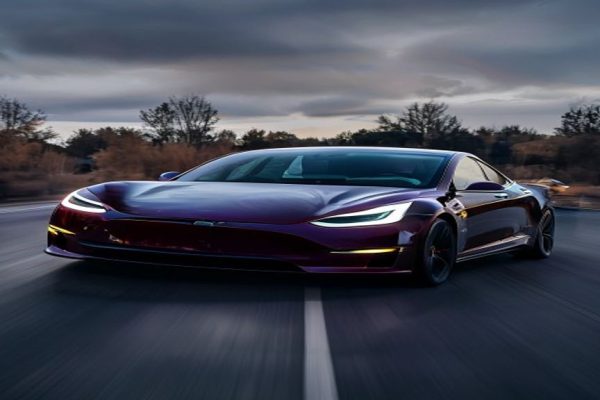
The image prompt for this article is: ‘A Tesla Model S driving on a highway, with the words “Full Self-Driving” written in bold letters on the screen, surrounded by a blurred background of cityscape and roads.’






Leave a Reply