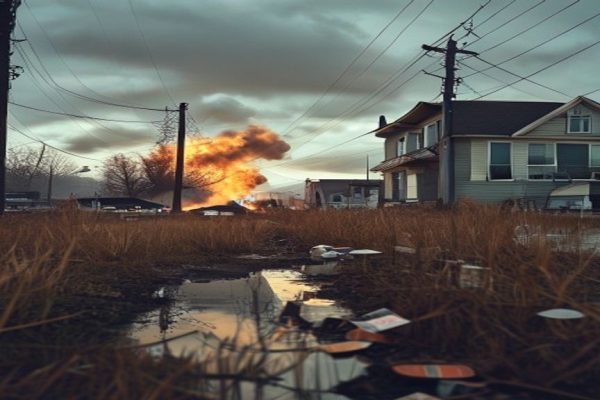
Rising Utility Bills: A Growing Concern for Many
The recent surge in utility bills has left many people worried about their energy costs. According to recent data, the average household energy bill has increased by over 20% in the past year, with no signs of slowing down. This increase is largely attributed to the rising prices of oil and gas, which have been driven up by the ongoing conflict in the Middle East.
However, the situation is even more complex than just the war in the Middle East. The cost of protecting utility infrastructure from extreme weather events has also become a significant factor. With the increasing frequency and severity of natural disasters such as hurricanes, wildfires, and floods, utility companies are having to invest heavily in fortifying their infrastructure to prevent outages and damage. These costs are inevitably passed on to consumers in the form of higher utility bills.
War in the Middle East: A Key Driver of Rising Oil and Gas Prices
The conflict in the Middle East has been a major contributor to the rising prices of oil and gas. The region is home to some of the world’s largest oil and gas reserves, and disruptions to production have a significant impact on global supplies. The ongoing conflict has led to a reduction in oil production, which has driven up prices and made energy more expensive for consumers.
In addition to the direct impact on oil production, the conflict in the Middle East has also led to increased tensions in the region, which has made investors more cautious and driven up the price of oil even further. This perfect storm of war and economic uncertainty has led to a significant increase in oil prices, which in turn has driven up the cost of energy for consumers.
Extreme Weather and the Cost of Protecting Utility Infrastructure
The increasing frequency and severity of extreme weather events has become a major concern for utility companies. With the rising cost of protecting infrastructure from these events, utility companies are having to invest heavily in fortifying their systems to prevent outages and damage. These costs are inevitably passed on to consumers in the form of higher utility bills.
In addition to the direct costs of protecting infrastructure, the increasing frequency and severity of extreme weather events also has a significant impact on the reliability of the energy grid. With more frequent outages and disruptions, utility companies are having to invest in more expensive and complex systems to maintain grid stability. These costs are also passed on to consumers in the form of higher utility bills.
What’s Next for Utility Bills and Prices?
As the situation continues to unfold, it’s difficult to predict exactly what’s next for utility bills and prices. However, it’s clear that the perfect storm of war, weather, and economic uncertainty is unlikely to subside anytime soon. Utility companies will continue to invest in protecting their infrastructure, and consumers can expect to see higher utility bills as a result.
One potential solution is for governments to invest in renewable energy and energy efficiency initiatives. By reducing our reliance on fossil fuels and increasing our use of renewable energy sources, we can reduce our exposure to the volatility of global oil markets and create a more stable and secure energy system. Additionally, investing in energy efficiency measures such as insulation and smart home technology can help reduce energy consumption and lower utility bills.
Ultimately, the future of utility bills and prices will depend on a combination of factors, including the outcome of the conflict in the Middle East, the impact of extreme weather events, and the effectiveness of government initiatives to promote renewable energy and energy efficiency. One thing is certain, however: the situation is unlikely to get better anytime soon, and consumers will continue to feel the pinch of higher utility bills.
Key Points:
- Rising utility bills are a growing concern for many people, with the average household energy bill increasing by over 20% in the past year.
- The conflict in the Middle East has driven up the price of oil, making energy more expensive for consumers.
- The increasing frequency and severity of extreme weather events has led to a significant increase in the cost of protecting utility infrastructure.
- Utility companies are investing heavily in fortifying their infrastructure to prevent outages and damage, which is inevitably passed on to consumers in the form of higher utility bills.
- Renewable energy and energy efficiency initiatives may offer a solution to the rising costs of utility bills and prices.






Leave a Reply