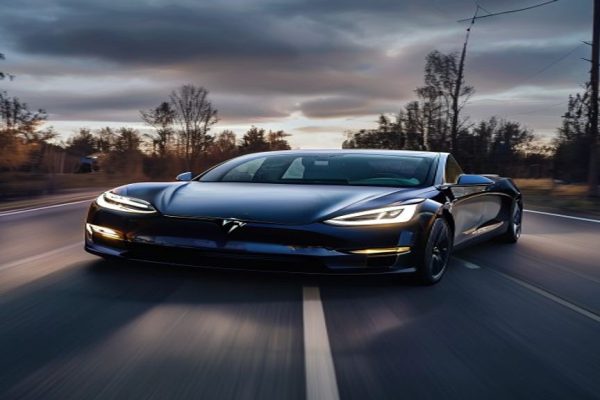
Tesla’s FSD Update: A Step Back or a Strategic Move?
The latest news from Tesla has sent shockwaves through the automotive and tech industries: vehicles equipped with the company’s Hardware 3 (HW3) will not be receiving unsupervised Full Self-Driving (FSD) capabilities. The announcement has left many wondering if this is a step back for the company or a strategic move to ensure safety and reliability.
The Background: Tesla’s FSD Ambitions
Tesla has been at the forefront of autonomous driving technology, with its FSD system aiming to revolutionize the way we transport ourselves. The company’s vision is to create a future where vehicles can navigate complex roads and environments without human intervention. However, the journey has not been without its challenges.
One of the key components of Tesla’s FSD system is its sensor suite, which includes cameras, radar, and ultrasonic sensors. The HW3 platform, launched in 2020, boasts improved sensors and processing power, enabling more advanced driver-assistance systems and, eventually, fully autonomous driving.
The Reason Behind the Decision
So, why won’t HW3-equipped vehicles receive unsupervised FSD capabilities? The answer lies in the company’s commitment to safety and reliability. Tesla’s CEO, Elon Musk, has always emphasized the importance of human oversight in FSD development. By not releasing unsupervised FSD on HW3 vehicles, the company is ensuring that its drivers remain in control and can intervene if necessary.
Another reason could be the regulatory landscape. Governments and regulatory bodies are still grappling with the implications of autonomous driving. Tesla may be holding back on unsupervised FSD to avoid any potential regulatory hurdles or public backlash.
The Future of FSD: What’s Next?
While HW3 vehicles may not receive unsupervised FSD, Tesla is still working on advancing its FSD capabilities. The company has stated that it will continue to improve its driver-assistance systems, with a focus on semi-autonomous features that can complement human driving.
Moreover, Tesla is investing heavily in its Autopilot and FSD development, with a team of experts working tirelessly to overcome the challenges of autonomous driving. The company’s vision for a future with autonomous vehicles remains unchanged, but the timeline may be longer than initially anticipated.
As the autonomous driving landscape continues to evolve, one thing is certain: Tesla’s commitment to safety and reliability will remain a top priority. The company’s decision to hold back on unsupervised FSD on HW3 vehicles may be seen as a cautious move, but it’s a testament to its dedication to getting it right.
Only time will tell when Tesla will unleash its full FSD capabilities on HW3 vehicles. Until then, the company’s focus on semi-autonomous features and human oversight will continue to drive innovation in the automotive and tech industries.






Leave a Reply