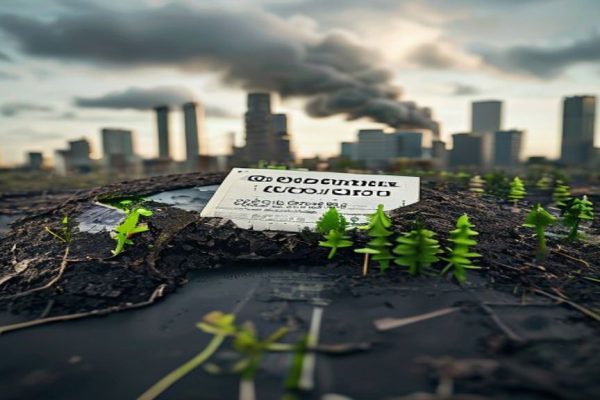
The Carbon Debt Burden
The world’s largest carbon emitters, including developed countries and multinational corporations, owe a significant debt to future generations due to their contributions to climate change. This debt is not just a moral obligation, but it can also be quantified financially. Climate experts argue that the negative impacts of climate change, such as rising temperatures, more frequent natural disasters, and altered ecosystems, have a direct economic cost that can be calculated.
The Economic Cost of Climate Change
The economic cost of climate change is staggering. A study by the Intergovernmental Panel on Climate Change (IPCC) estimated that the global economic losses due to climate change could reach up to $54 trillion by 2100. This includes the cost of damage to infrastructure, loss of productivity, and the impact on human health. In addition, climate change is also expected to displace millions of people, leading to significant social and economic costs.
Some of the key factors that contribute to the economic cost of climate change include:
- Rising temperatures and more frequent heatwaves, which can lead to increased mortality and morbidity.
- More frequent and intense natural disasters, such as hurricanes, floods, and wildfires, which can cause significant damage to infrastructure and property.
- Changes in precipitation patterns, which can lead to droughts and water scarcity, impacting agriculture and human consumption.
- The spread of diseases, such as malaria and dengue fever, which can be exacerbated by climate change.
The Moral and Ethical Implications
The carbon debt burden raises significant moral and ethical questions. Who is responsible for paying this debt, and how will it be paid? Should the burden of climate change be borne by future generations, or should those who contributed to climate change in the past take responsibility for their actions?
Some experts argue that the carbon debt burden is a classic case of intergenerational justice, where the actions of one generation have a significant impact on the well-being of future generations. In this context, those who contributed to climate change in the past have a moral obligation to take action to mitigate its impacts and to compensate those who will be most affected.
Others argue that the carbon debt burden is a matter of economic justice, where the burden of climate change is disproportionately borne by the most vulnerable populations, including the poor and the marginalized. In this context, those who contributed to climate change in the past have a responsibility to take action to address the economic and social impacts of climate change.
The Future of Climate Change Mitigation
The carbon debt burden highlights the need for urgent action to mitigate the impacts of climate change. This requires a significant reduction in greenhouse gas emissions, transitioning to renewable energy sources, and investing in climate-resilient infrastructure.
Some of the key strategies for mitigating the impacts of climate change include:
- Transitioning to renewable energy sources, such as solar and wind power, to reduce dependence on fossil fuels.
- Increasing energy efficiency, through the use of smart grids and energy-efficient technologies.
- Protecting and restoring natural ecosystems, such as forests and wetlands, which can help to sequester carbon dioxide.
- Investing in climate-resilient infrastructure, such as sea walls and levees, to protect against the impacts of climate change.
The carbon debt burden is a stark reminder of the need for urgent action to mitigate the impacts of climate change. By taking action now, we can reduce the burden on future generations and create a more sustainable and equitable future for all.






Leave a Reply