The Climate Debt Dilemma
The world’s largest carbon emitters, including countries like the United States, China, and India, have been releasing massive amounts of greenhouse gases into the atmosphere, driving climate change and its devastating consequences. The effects of climate change are far-reaching, from rising sea levels and more frequent natural disasters to droughts, heatwaves, and altered ecosystems. But what’s striking is that the negative impacts of climate change can be quantified financially, and some experts argue that the world’s largest carbon emitters owe a huge debt to future generations.
Putting a Price on Climate Change
According to a recent study published in the journal Nature, the world’s largest carbon emitters have been responsible for releasing over 2 trillion metric tons of carbon dioxide into the atmosphere since the Industrial Revolution. This amount of carbon dioxide is equivalent to about $1.6 quadrillion in economic terms, considering the costs of damage to infrastructure, loss of productivity, and other economic impacts. The study estimates that the total cost of climate change to date is around $4.3 trillion, with the majority of the costs borne by developing countries.
The Economic Consequences of Climate Change
Climate change has significant economic implications, from damage to infrastructure and property to loss of productivity and human health impacts. Rising sea levels, for example, are expected to cause massive flooding in coastal cities, displacing millions of people and causing billions of dollars in damage. The economic consequences of climate change are far-reaching, and experts warn that the costs will only continue to rise unless immediate action is taken to reduce greenhouse gas emissions.
Key Points:
- The world’s largest carbon emitters owe a huge debt to future generations, estimated to be around $1.6 quadrillion in economic terms.
- The total cost of climate change to date is around $4.3 trillion, with the majority of the costs borne by developing countries.
- Climate change has significant economic implications, from damage to infrastructure and property to loss of productivity and human health impacts.
- The economic consequences of climate change are far-reaching, and experts warn that the costs will only continue to rise unless immediate action is taken to reduce greenhouse gas emissions.
What Can Be Done?
So, what can be done to address the climate debt dilemma? The answer lies in transitioning to renewable energy sources, increasing energy efficiency, and protecting natural carbon sinks like forests and wetlands. Governments, corporations, and individuals must work together to reduce greenhouse gas emissions and mitigate the economic impacts of climate change. The clock is ticking, and it’s essential that we take immediate action to avoid the most catastrophic consequences of climate change.
The Future of Climate Action
The world’s largest carbon emitters have a responsibility to future generations to take immediate action to reduce greenhouse gas emissions and mitigate the economic impacts of climate change. The climate debt dilemma is a pressing issue that requires a collective response from governments, corporations, and individuals. By working together, we can transition to a more sustainable future and avoid the most catastrophic consequences of climate change.
Image Prompt:
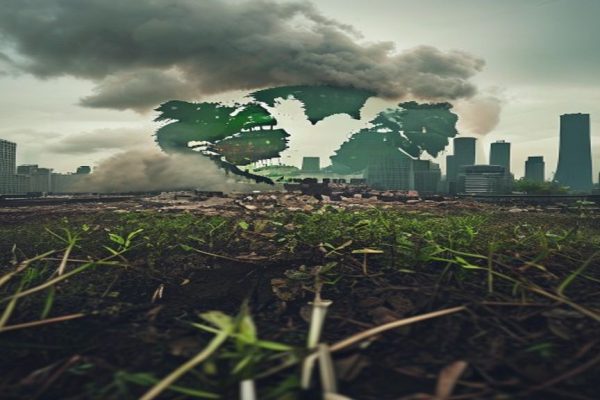
A dramatic image of a flooded city with a massive storm cloud looming in the background, with a green energy turbine spinning in the foreground, symbolizing the urgent need to transition to renewable energy sources and reduce greenhouse gas emissions.






Leave a Reply