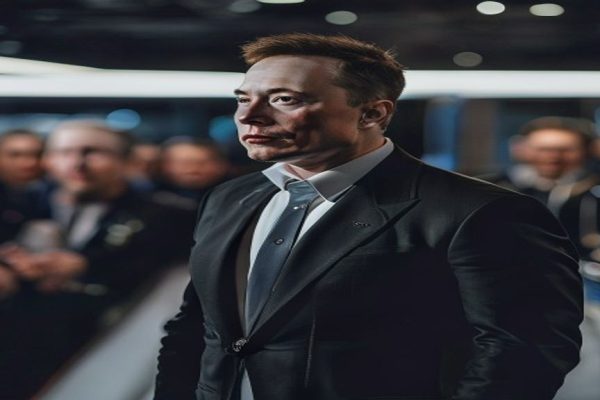
Elon Musk, the billionaire CEO of Tesla, has made headlines once again with a provocative statement that has left investors and tech enthusiasts alike scratching their heads. During a recent interview, Musk claimed that his electric vehicle company was on the cusp of introducing AI-driven robotaxis, which would revolutionize the transportation industry.
The announcement sent shockwaves throughout the tech and automotive sectors, with many hailing it as a groundbreaking innovation. However, in a surprising move, Musk seemed to slightly walk back the claim, leaving the world wondering what exactly is in store for the future of transportation.
Background and Context
Tesla has been at the forefront of the electric vehicle revolution, with its Model S, Model 3, and Model Y cars setting new standards for performance, range, and affordability. The company’s Autopilot system, while not fully autonomous, has been praised for its advanced driver-assistance features, including lane-keeping, adaptive cruise control, and semi-autonomous driving.
Musk’s latest statement, however, suggests that the company is working on a more ambitious project – one that would enable Tesla vehicles to operate autonomously, without human intervention. This would not only transform the way we travel but also open up new opportunities for the gig economy and urban planning.
Why the Backpedaling?
So, why did Musk seemingly walk back his claim of AI-driven robotaxis? One possible reason is that the technology is still in its infancy, and the company is not yet ready to unveil it to the public. Musk has always been known for his bold predictions and timelines, but he has also been criticized for underestimating the complexity of certain projects.
Another possibility is that the company is facing regulatory hurdles, which are preventing them from moving forward with the development of autonomous vehicles. The US government has implemented strict guidelines for the development and testing of autonomous vehicles, and Tesla may be struggling to comply with these regulations.
Future Implications
Despite the uncertainty surrounding the future of Tesla’s AI-driven robotaxis, the implications are far-reaching and significant. If successful, this technology could revolutionize the way we travel, making it safer, more efficient, and more sustainable. It could also create new opportunities for the gig economy, enabling drivers to work on their own schedules and choose their own routes.
However, there are also concerns about the potential impact on jobs, particularly in the transportation sector. If autonomous vehicles become widespread, it could lead to significant job losses, particularly among taxi drivers, truckers, and delivery personnel.
Key Points to Consider
- Tesla’s AI-driven robotaxis could revolutionize the transportation industry, making it safer, more efficient, and more sustainable.
- The technology is still in its infancy, and the company may be struggling to comply with regulatory guidelines.
- The implications of this technology are far-reaching and significant, with potential benefits and drawbacks for the economy and society.
- Tesla’s decision to walk back its claim highlights the complexities and challenges involved in developing autonomous vehicles.
Conclusion
Elon Musk’s statement about AI-driven robotaxis has left investors and tech enthusiasts in limbo, wondering what exactly is in store for the future of transportation. While the technology is still in its infancy, the implications are far-reaching and significant, with potential benefits and drawbacks for the economy and society. As the world waits with bated breath for further updates, one thing is clear – the future of transportation is about to get a whole lot more exciting.






Leave a Reply