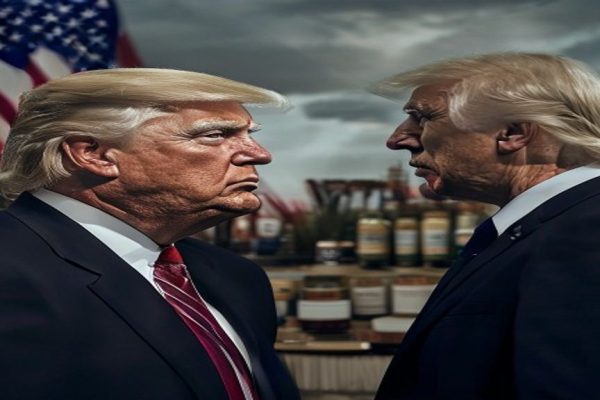
Trump’s Iran Confrontation Threatens Global Trade, Economic Growth, and Fertilizer Prices
The ongoing confrontation between the United States and Iran has significant implications for global trade, economic growth, and fertilizer prices. A recent report from the World Trade Organization (WTO) highlights the potential risks associated with this escalating conflict.
Global Trade at Risk
The WTO report emphasizes that the tensions between the US and Iran could lead to a significant disruption in global trade. The conflict has already affected oil prices, with Brent crude oil rising to a four-month high in response to the escalating tensions. This increase in oil prices could lead to higher transportation costs, impacting various industries such as agriculture, manufacturing, and construction.
The US is a significant player in global trade, and any disruption in its trade relationships could have far-reaching consequences. The country’s trade agreements with other nations, such as the North American Free Trade Agreement (NAFTA) and the US-Mexico-Canada Agreement (USMCA), are critical to maintaining economic stability and growth.
Risks to Economic Growth
The WTO report warns that the US-Iran confrontation could lead to slower GDP growth in various countries, including the US, China, and the European Union. The conflict could also exacerbate existing trade tensions between the US and other nations, such as China and the EU, which could further destabilize the global economy.
The impact on economic growth would be felt across various sectors, including agriculture, manufacturing, and services. A decline in economic growth could lead to reduced consumer spending, lower business investment, and decreased government revenue, ultimately affecting the overall well-being of citizens.
Fertilizer Prices to Rise
The conflict has also led to concerns about fertilizer prices, particularly for phosphates and potash, which are essential for agriculture. The US is a significant producer of these fertilizers, and any disruption in its production could lead to higher prices globally.
Higher fertilizer prices would have a devastating impact on farmers, who would face increased costs for crop production. This could lead to reduced crop yields, lower farm incomes, and increased food prices for consumers. The ripple effects would be felt throughout the food supply chain, impacting various industries and communities.
The WTO report emphasizes the need for nations to work together to mitigate the risks associated with the US-Iran confrontation. The organization recommends exploring alternative trade routes, diversifying supply chains, and implementing policies to support affected industries and communities.
Conclusion
The ongoing confrontation between the US and Iran poses significant risks to global trade, economic growth, and fertilizer prices. The WTO report highlights the need for nations to work together to mitigate these risks and ensure economic stability and growth. As the situation continues to unfold, it is essential for policymakers, businesses, and citizens to remain vigilant and take proactive steps to address the potential consequences of this escalating conflict.
Key points to note:
- The US-Iran confrontation poses significant risks to global trade, economic growth, and fertilizer prices.
- The conflict could lead to slower GDP growth in various countries, including the US, China, and the European Union.
- Higher fertilizer prices could lead to reduced crop yields, lower farm incomes, and increased food prices for consumers.
- Nations must work together to mitigate the risks associated with the US-Iran confrontation.






Leave a Reply