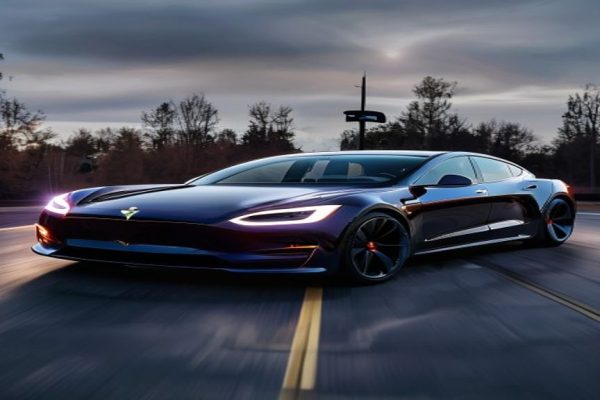
Tesla’s Self-Driving Struggles and the Need for a Cheaper Car
Tesla’s ambitious plans for a self-driving future have hit a roadblock. Despite significant investments in autonomous technology, the company’s FSD (Full Self-Driving) system has been plagued by reliability issues, software bugs, and regulatory hurdles. With the self-driving market facing intense competition and limited adoption, Tesla’s financial burden has increased, making the need for a more affordable car more pressing than ever.
Why a $25,000 Model 2 Matters
The Tesla Model 2, initially canceled in 2024 due to production constraints and technological challenges, represents a crucial opportunity for the company to address several key concerns:
- Price Competitiveness: A $25,000 Model 2 could help Tesla regain its market share in the mass-market electric vehicle (EV) segment, where competitors like the Chevrolet Bolt and Hyundai Kona Electric are gaining traction.
- Cost Reduction: By streamlining production and leveraging economies of scale, a more affordable Model 2 could help Tesla reduce its costs and improve profitability, which is essential for investing in its self-driving technology.
- Expanded Market Reach: A cheaper Tesla could attract a broader audience, including first-time EV buyers and budget-conscious consumers, ultimately expanding Tesla’s market share and customer base.
Tesla’s Self-Driving Future and the Model 2’s Role
While the self-driving market is still in its early stages, Tesla’s struggles have raised concerns about the company’s long-term viability. A more affordable Model 2 could be a strategic move to offset the financial burden of its self-driving ambitions:
- Revenue Streams: By attracting a larger customer base with a cheaper car, Tesla can generate additional revenue streams to invest in its self-driving technology and improve its overall financial health.
- Regulatory Support: A more affordable Model 2 could help Tesla meet regulatory requirements for affordable EVs, potentially gaining the company support from governments and environmental groups.
- Competition Strategy: By offering a more affordable option, Tesla can counter its competitors’ pricing strategies, maintaining its market share and competitive edge.
Conclusion: Can the Model 2 Save Tesla’s Self-Driving Ambitions?
The revival of the Tesla Model 2 is a pivotal moment for the company, offering a chance to address its self-driving struggles and improve its financial health. By leveraging economies of scale, reducing costs, and expanding its market reach, a more affordable Model 2 could be a game-changer for Tesla:
However, the success of this strategy will depend on various factors, including production costs, technological advancements, and market demand. As the EV market continues to evolve, one thing is clear: Tesla’s future is intricately linked to its ability to innovate, adapt, and deliver on its ambitious promises.






Leave a Reply