Introduction
In the realm of Formula 1, the line between victory and defeat is incredibly thin. World championships are often won by the slimmest of margins, measured in mere milliseconds. This razor-thin difference is a testament to the incredible engineering prowess that underpins the sport. The pinnacle of motorsports demands perfection, and manufacturers and teams invest heavily in research and development to shave precious fractions of a second off their lap times.
The Evolution of Formula 1 Engineering
From the early days of the sport, Formula 1 has been driven by innovation. The 1950s and 1960s saw the introduction of groundbreaking technologies, including the first jet-powered cars and pioneering designs that pushed the boundaries of aerodynamics. The 1970s and 1980s witnessed the adoption of advanced materials and the development of sophisticated engine management systems. Today, Formula 1 cars are marvels of modern engineering, with sophisticated computer systems, advanced materials, and clever design features that work in harmony to deliver blistering speed.
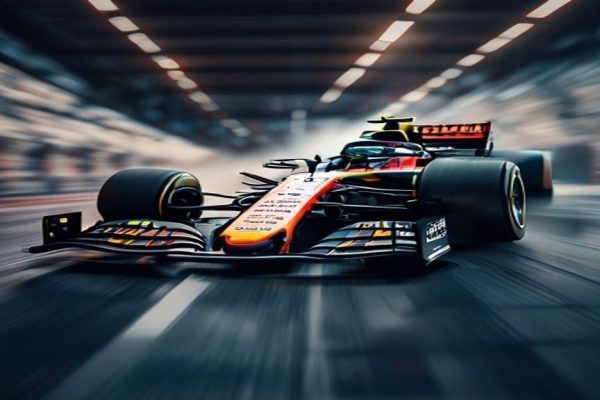
One of the key areas of focus in modern Formula 1 is aerodynamics. The cars are equipped with complex systems of wings, diffusers, and vortex generators that manipulate airflow to reduce drag and increase downforce. This is achieved through a delicate balance of computer simulations, wind tunnel testing, and real-world track data. The outcome is a car that can produce over 5,000 pounds of downforce at high speeds, allowing it to corner at incredible angles and maintain high speeds through even the most challenging sections of track.
The Impact of Technology on Formula 1
The impact of technology on Formula 1 is not limited to the cars themselves. The sport has also seen significant advances in safety features, with advanced materials and clever design solutions providing protection for drivers in the event of a crash. Additionally, the use of advanced data analysis and simulation tools has allowed teams to optimize their car’s performance, identify areas for improvement, and make informed decisions about setup and strategy.
The influence of technology is also visible in the teams’ pit crews, where advanced tools and techniques have streamlined the process of changing tires and making other essential adjustments. This has allowed teams to shave precious seconds off their pit stops, a critical component of the overall race strategy. In fact, the fastest pit crews can now change all four tires in under 2 seconds, demonstrating the incredible level of precision and efficiency that exists in modern Formula 1.
Furthermore, the rise of digital technologies has opened up new avenues for fan engagement and interaction. Social media platforms, live streaming, and virtual reality experiences have transformed the way fans experience the sport, providing unparalleled access to the action and behind-the-scenes insight into the teams and drivers.
The Future of Formula 1 Engineering
As Formula 1 continues to evolve, the focus on innovation and technology is unlikely to wane. With the introduction of new regulations and technical challenges, teams will be forced to push the boundaries of what is possible in order to stay competitive. This will drive further advances in materials science, computer simulations, and aerodynamics, leading to even faster, more efficient cars and a more thrilling spectacle for fans.
Looking ahead, it is clear that Formula 1 will remain at the forefront of motorsport innovation, pushing the limits of what is possible and inspiring a new generation of engineers, technicians, and fans. The sport’s commitment to sustainability and environmental responsibility will also play a critical role in shaping its future, as teams and manufacturers work together to develop more efficient, eco-friendly cars that minimize their impact on the environment.






Leave a Reply