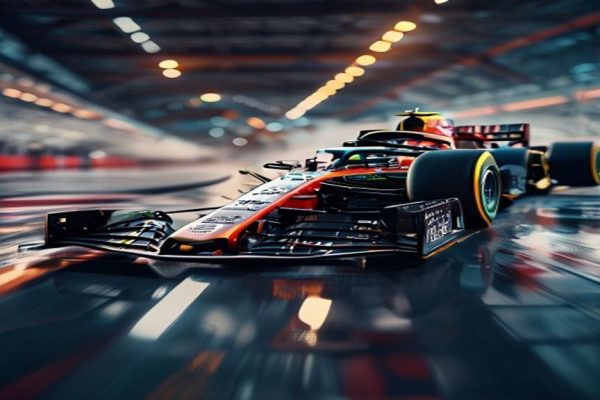
The Pinnacle of Precision Engineering
In the world of Formula-1, championships are won by the slender margin of milliseconds that turn into big margins after every passing lap. The level of engineering in the pinnacle of Motorsports has reached new heights, pushing the boundaries of what is thought possible. From the aerodynamic design of the cars to the intricacies of the engines, every aspect of the vehicle is meticulously crafted to shave off precious milliseconds.
Formula-1 engineers have always been at the forefront of innovation, driving the development of cutting-edge technology that sets the benchmark for the rest of the automotive world. The advancements in materials science, computational fluid dynamics, and data analysis have led to significant improvements in car performance, allowing drivers to extract every last bit of speed from the vehicle.
The Role of Advanced Materials and Computational Power
The use of advanced materials such as carbon fiber, titanium, and advanced composites has enabled engineers to create lighter, stronger, and more efficient car components. This has resulted in significant weight reduction, allowing the cars to achieve higher speeds and maintain them for longer periods. Computational power, on the other hand, has enabled the simulation of complex aerodynamic phenomena, allowing engineers to fine-tune the car’s design and optimize its performance under various conditions.
The integration of data analytics and machine learning algorithms has also enabled teams to gain valuable insights into the car’s behavior, allowing them to make informed decisions about setup and strategy. This has led to a significant reduction in lap times, as teams can now optimize the car’s performance to suit the specific demands of each track.
The Future of Formula-1 Engineering
As the sport continues to evolve, the role of engineering will become even more crucial. The introduction of hybrid power units, for example, has opened up new avenues for innovation, as teams scramble to optimize the energy recovery systems and improve the overall efficiency of the powertrain.
The use of advanced materials and computational power will continue to drive the development of new technologies, enabling teams to push the boundaries of what is thought possible. The integration of artificial intelligence and machine learning will also play a key role, as teams seek to gain a competitive edge through data-driven decision-making.
In the world of Formula-1, the margin between victory and defeat is measured in milliseconds. The level of engineering required to achieve success is therefore incredibly high, and it will be fascinating to see how teams continue to innovate and push the boundaries of what is thought possible.
Key points to consider:
- The level of engineering in Formula-1 has reached new heights, pushing the boundaries of what is thought possible.
- Advanced materials and computational power have enabled significant improvements in car performance.
- Data analytics and machine learning algorithms have enabled teams to gain valuable insights into the car’s behavior.
- The future of Formula-1 engineering will be shaped by the introduction of hybrid power units and the integration of artificial intelligence and machine learning.
The world of Formula-1 is a thrilling and ever-evolving landscape, where the margin between victory and defeat is measured in milliseconds. As the sport continues to push the boundaries of what is thought possible, it will be fascinating to see how teams continue to innovate and engineer their way to success.






Leave a Reply