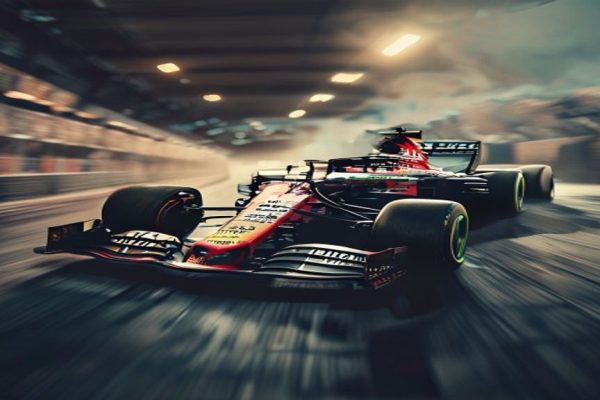
Formula 1’s Turbulent Road to the Future
Formula 1, the world’s premier motor racing championship, has been embroiled in a heated debate surrounding the impact of its new cars on the sport’s thrilling racing. The FIA, the governing body of the sport, has expressed concerns that the increased downforce and aerodynamic capabilities of the modern cars have led to a lack of overtaking and a more processional style of racing. This has sparked a fierce debate among fans, teams, and drivers, with some arguing that the new cars have lost the very essence of what makes Formula 1 so captivating.
The Rise of Turbocharged Cars and its Consequences
The introduction of turbocharged engines in 2014 marked a significant turning point in the history of Formula 1. While the new engines promised to be cleaner and more efficient, they also brought about a surge in power and downforce. This led to a new era of highly aerodynamic cars that were capable of generating massive amounts of grip and speed. However, this also resulted in a significant decrease in overtaking opportunities, as cars were able to maintain their position on the track with ease.
The lack of overtaking has been a major concern for fans and teams alike. The excitement and unpredictability of Formula 1 lies in its ability to produce dramatic and thrilling racing, with drivers battling for position and glory. However, the modern cars have made it increasingly difficult for drivers to overtake, leading to a more processional style of racing.
The FIA’s Response and Future Initiatives
The FIA has acknowledged the concerns surrounding the new cars and has taken steps to address the issue. In 2021, the governing body introduced a new set of regulations aimed at reducing the downforce and increasing the overtaking opportunities. The new regulations include changes to the front and rear wings, as well as the introduction of a drag reduction system (DRS) that allows drivers to temporarily gain an advantage on straights.
However, the FIA has also recognized that the sport needs to do more to revive its thrilling past. In a recent statement, FIA President, Mohammed Ben Sulayem, expressed his commitment to making Formula 1 more exciting and accessible to a wider audience. He stated, “We need to work together to make Formula 1 more competitive and entertaining. We need to give the fans what they want – more racing, more overtaking, and more excitement.”
The future of Formula 1 hangs in the balance, as the sport struggles to find a balance between its need for technological advancement and the need to preserve its thrilling racing. With the 2023 season just around the corner, all eyes will be on the FIA and the teams to see if they can deliver on their promises and create a more exciting and competitive championship.
The Future of Formula 1: A Brighter Outlook?
Despite the challenges facing the sport, there are reasons to be optimistic about the future of Formula 1. The introduction of new regulations and technologies, such as the use of hybrid engines and advanced aerodynamics, has the potential to create a more exciting and competitive championship.
Additionally, the sport has seen a resurgence in popularity in recent years, thanks in part to the success of drivers like Lewis Hamilton and Max Verstappen. The sport has also become more accessible and inclusive, with the introduction of new formats and platforms, such as the Formula 1 Esports Series.
However, the sport still faces significant challenges, including the need to reduce costs and make the championship more affordable for smaller teams. The FIA has committed to addressing these issues, and there is a sense of optimism that the sport can find a way to balance its need for technological advancement with the need to preserve its thrilling racing.
- Increased downforce and aerodynamic capabilities have led to a lack of overtaking and a more processional style of racing.
- The FIA has introduced new regulations aimed at reducing downforce and increasing overtaking opportunities.
- The sport faces significant challenges, including the need to reduce costs and make the championship more affordable for smaller teams.
- The FIA has committed to addressing these issues and finding a way to balance the sport’s need for technological advancement with its need to preserve its thrilling racing.
In conclusion, the future of Formula 1 hangs in the balance, as the sport struggles to find a balance between its need for technological advancement and the need to preserve its thrilling racing. While there are challenges ahead, there are also reasons to be optimistic about the sport’s future. With the FIA’s commitment to making the championship more competitive and entertaining, there is a sense of hope that Formula 1 can revive its thrilling past and create a brighter future for the sport.






Leave a Reply