The Unpaid Bill of the Century: World’s Largest Carbon Emitters Owe Future Generations a Financial Debt
The world’s largest carbon emitters have been producing greenhouse gases at an alarming rate, contributing significantly to climate change. The consequences of this are far-reaching and devastating, with severe impacts on the environment, human health, and the economy. However, some experts argue that the negative impacts of climate change can be quantified financially, essentially creating an unpaid bill for future generations.
Calculating the Unpaid Debt
The concept of a financial debt owed to future generations is not a new one. In recent years, economists and scientists have been working together to estimate the costs associated with climate change. These costs include damage to infrastructure, loss of property, and even human lives. The financial burden of climate change can be attributed to three main factors:
- Climate-related disasters: Severe weather events such as hurricanes, droughts, and wildfires have become more frequent and intense due to climate change.
- Ecosystem degradation: Rising temperatures and changing precipitation patterns are causing the loss of biodiversity, degradation of soil quality, and reduced crop yields.
- Health impacts: Warmer temperatures are increasing the spread of diseases, heat stress, and other health-related issues.
The estimated costs of these factors vary widely depending on the region, country, and even city. However, a study published in the journal Nature estimates that the global economic costs of climate change could reach up to $1.2 trillion by 2050. This is a staggering figure that highlights the severity of the issue.
The Responsibility of Carbon Emitters
The world’s largest carbon emitters, including countries such as the United States, China, and India, have a significant responsibility to address the issue of climate change. These countries have been producing greenhouse gases at an alarming rate, contributing to the financial debt owed to future generations.
Carbon emitters have a moral obligation to take action to reduce their greenhouse gas emissions and transition to cleaner energy sources. This can be achieved through a combination of policies, technologies, and individual actions. Some examples include:
- Investing in renewable energy: Governments and companies can invest in solar, wind, and other forms of renewable energy to reduce dependence on fossil fuels.
- Improving energy efficiency: Buildings, vehicles, and appliances can be designed to be more energy-efficient, reducing the need for energy consumption.
- Electrifying transportation: Governments can incentivize the adoption of electric vehicles, reducing greenhouse gas emissions from transportation.
Facing the Unpaid Debt
The unpaid debt of climate change is a pressing issue that requires immediate attention. The consequences of inaction will be severe, with devastating impacts on the environment, human health, and the economy.
Facing the unpaid debt of climate change will require a collective effort from governments, corporations, and individuals. It will involve making difficult choices, investing in new technologies, and adopting new behaviors. However, the benefits of addressing climate change far outweigh the costs, and it is essential that we take action to reduce our greenhouse gas emissions and create a sustainable future for generations to come.
The world’s largest carbon emitters owe a huge debt to future generations. It is time for us to acknowledge this debt and take action to address it. The future of our planet depends on it.
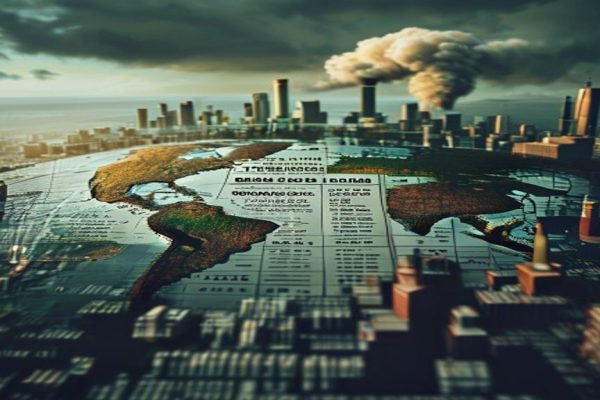
Image Prompt: An AI-generated image of a globe with a large crack in the surface, representing the unpaid debt of climate change. The crack is surrounded by people from different countries and cultures, symbolizing the global nature of the issue. In the background, a cityscape is visible, with buildings and vehicles emitting greenhouse gases, highlighting the need for action to reduce emissions.






Leave a Reply