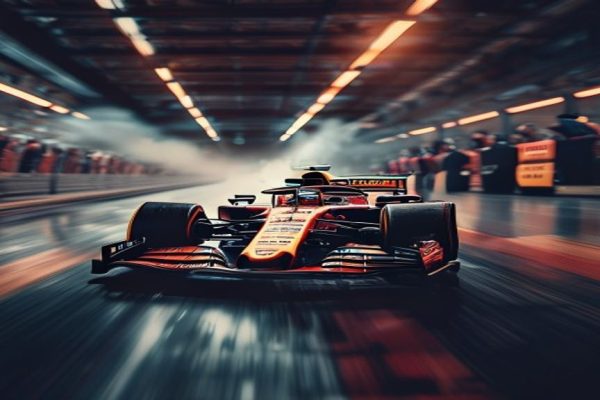
Formula 1 at a Crossroads: Entertainment vs. Integrity
The world of Formula 1 (F1) has been abuzz with debate over the direction the sport is taking. While the thrilling on-track action and high-speed racing continue to captivate fans worldwide, the governing bodies and teams are grappling with concerns about the impact of the new car regulations on the sport’s very essence.
Background and Context
Formula 1 has undergone significant changes in recent years, with a focus on improving safety, reducing costs, and increasing competitiveness. The introduction of new car regulations in 2022 aimed to achieve these objectives, but have inadvertently led to a more processional and less overtaking-heavy racing style.
The new cars, featuring advanced aerodynamics and complex tire compounds, have made it increasingly difficult for drivers to overtake each other. This has resulted in a more predictable and less exciting racing format, which has sparked intense debate among fans, teams, and governing bodies.
The Debate: Entertainment vs. Integrity
On one hand, the superficial appeal of the back-and-forth racing, with drivers vying for every inch of track, is undeniable. The thrilling spectacle has continued to draw in massive audiences and has been a major factor in F1’s growing popularity. However, the governing bodies and teams are concerned that the new cars are compromising the sport’s integrity by prioritizing speed over skill.
According to F1’s bosses, the current cars are too reliant on advanced technology, with drivers struggling to overtake due to the complex aerodynamics and tire compounds. This has led to a situation where drivers are more focused on managing their tires and conserving energy rather than pushing the limits of their cars.
Future Implications and Potential Solutions
The debate surrounding F1’s direction has significant implications for the sport’s future. If the current trend continues, F1 risks losing its appeal to fans who crave more competitive and exciting racing. On the other hand, if the sport fails to adapt and evolve, it may miss out on opportunities to attract new fans and grow its global presence.
So, what can be done to address these concerns? Some have suggested tweaking the aerodynamics and tire compounds to make overtaking easier, while others propose introducing more strategic elements, such as pit stop strategies and driver changes, to increase the complexity and excitement of the racing.
Key Points:
- F1’s bosses are torn between the entertainment value of the current racing style and the sport’s integrity.
- The new car regulations have led to a more processional and less overtaking-heavy racing style.
- The governing bodies and teams are concerned that the current cars are compromising the sport’s integrity by prioritizing speed over skill.
- Potential solutions include tweaking the aerodynamics and tire compounds, introducing more strategic elements, and increasing the complexity of the racing.
Conclusion
Formula 1 stands at a crossroads, with its future direction hanging in the balance. While the debate surrounding the sport’s entertainment value and integrity is complex and multifaceted, one thing is clear: F1 must adapt and evolve to remain relevant and exciting for its fans. By listening to the concerns of its governing bodies, teams, and fans, F1 can work towards finding a solution that balances entertainment and integrity, ensuring the sport remains a thrilling spectacle for years to come.
Image prompt: A dramatic illustration of a Formula 1 car navigating a tight turn, with the driver’s helmet and gloves visible in the foreground, against a backdrop of a packed grandstand and a blurred cityscape in the background. The car’s tires are screeching in protest, and the driver’s eyes are fixed intently on the track ahead, conveying the high-speed action and intense competition that defines F1.






Leave a Reply