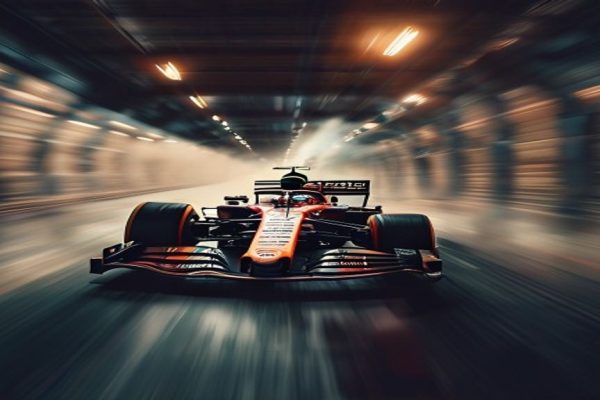
Formula 1’s Speed vs. Tradition Debate: A Growing Concern
Formula 1 (F1) has been at the forefront of automotive innovation, pushing the boundaries of speed and technology. However, the new generation of cars, designed to enhance aerodynamics and reduce fuel consumption, has sparked a heated debate among fans, teams, and F1’s governing body. The superficial appeal of high-speed racing is undeniable, but concerns are growing about the impact these cars are having on the sport they grew up loving.
The Rise of Advanced Aerodynamics
The new F1 cars are designed to optimize airflow, reducing drag and increasing downforce. While this has led to faster lap times and more thrilling racing, some argue that the aerodynamic features are becoming too extreme. The reliance on complex wing configurations and drag reduction systems (DRS) has created a scenario where strategy plays a more significant role than raw driving talent.
For instance, the use of sophisticated aerodynamic devices has led to situations where cars are struggling to follow each other, creating a ‘train’ effect. This not only affects the on-track experience but also puts additional pressure on the teams’ engineering departments, as they strive to optimize their cars’ performance within the confines of the rules.
The Human Factor: Drivers and the New Cars
The increased reliance on advanced technology has also raised concerns about the role of the drivers. While some argue that the new cars require more skill and strategy from the pilots, others believe that the complexity of the machines is undermining the fundamental human element of racing.
Legendary F1 driver, Fernando Alonso, recently expressed his concerns about the direction the sport is taking. He argued that the new cars are ‘not very exciting to drive’ and that the emphasis on aerodynamics has created a scenario where the drivers are more focused on managing their cars’ performance than on pushing the limits of their own abilities.
Meanwhile, other drivers, such as Charles Leclerc, have praised the new cars for their speed and responsiveness. However, even Leclerc acknowledged that the increased complexity of the machines requires a different set of skills from the drivers, skills that some may not possess.
The Future of F1: Balancing Speed and Tradition
As the debate rages on, F1’s governing body, the FIA, is working closely with teams to address the concerns surrounding the new cars. The FIA has implemented a number of measures aimed at reducing the reliance on advanced aerodynamics and promoting more overtaking. These include changes to the wing configurations and the introduction of a new qualifying format.
However, the question remains: can F1 strike a balance between speed and tradition? Can the sport continue to innovate and push the boundaries of automotive technology without sacrificing the fundamental elements that make it so compelling to fans around the world?
Only time will tell, but one thing is certain: the debate surrounding the new F1 cars will continue to be a hot topic in the world of motorsport.
Key Points:
- The new F1 cars have sparked a heated debate about the impact of advanced aerodynamics on the sport.
- The reliance on complex wing configurations and drag reduction systems has created a scenario where strategy plays a more significant role than raw driving talent.
- The increased complexity of the machines requires a different set of skills from the drivers.
- The FIA is working closely with teams to address the concerns surrounding the new cars.






Leave a Reply