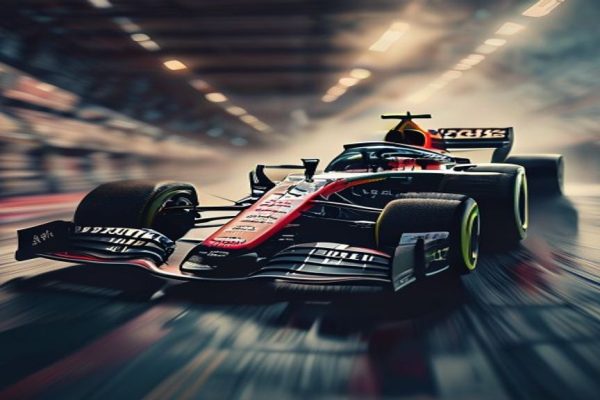
Formula 1’s New Era: A Double-Edged Sword
Formula 1, the world’s premier open-wheel racing championship, has been at the forefront of innovation and technological advancements in recent years. The introduction of new car regulations has brought about significant changes to the sport, with both positive and negative consequences.
On one hand, the new cars have undoubtedly increased the level of excitement and competitiveness among drivers and teams. The 2022 season saw a record number of overtakes, with the likes of Max Verstappen and Charles Leclerc engaging in thrilling battles throughout the season. The increased aerodynamic complexity has made the cars more agile and responsive, allowing drivers to push the limits of speed and performance.
However, not everyone is pleased with the direction of the sport. Long-time fans and former drivers have expressed concern that the new cars are sacrificing the core values of Formula 1 in pursuit of speed and spectacle. They argue that the increased downforce and complex aerodynamics have made the cars too dependent on technology, rather than driver skill and strategy.
The Conundrum Facing Formula 1’s Bosses
The governing body of Formula 1, the Fédération Internationale de l’Automobile (FIA), is caught in the middle of this debate. On one hand, they recognize the superficial appeal of the back-and-forth racing that the new cars have brought. The increased competitiveness and excitement have attracted new fans to the sport, and the FIA is eager to capitalize on this momentum.
On the other hand, the FIA is concerned about the long-term implications of the new car regulations. They fear that the increasing reliance on technology will lead to a decrease in driver skill and a homogenization of the sport. They also worry about the financial implications of the new regulations, which have led to a significant increase in costs for teams and manufacturers.
The FIA is working to strike a balance between the demands of the modern Formula 1 fan and the needs of the sport itself. They have introduced measures such as weight reduction and engine sound limitations to try and mitigate the impact of the new cars. However, it remains to be seen whether these measures will be enough to preserve the core values of the sport.
The Future of Formula 1
The debate over the new car regulations is ongoing, with no clear resolution in sight. However, one thing is certain: the future of Formula 1 will be shaped by the decisions made by the governing body and the teams. If they get it right, the sport could continue to thrive and attract new fans. But if they get it wrong, the consequences could be severe.
As the sport continues to evolve, it is essential to strike a balance between the demands of the modern fan and the needs of the sport itself. The FIA and the teams must work together to create a Formula 1 that is both exciting and sustainable, with a strong focus on driver skill and strategy.
Ultimately, the future of Formula 1 depends on the willingness of the governing body and the teams to adapt and innovate. By embracing change and working together, they can create a sport that is both thrilling and worthy of the Formula 1 name.
Key points to consider:
- The new car regulations have increased the level of excitement and competitiveness among drivers and teams.
- However, some long-time fans and former drivers have expressed concern that the new cars are sacrificing the core values of Formula 1.
- The FIA is caught in the middle of this debate and is working to strike a balance between the demands of the modern fan and the needs of the sport.
- The future of Formula 1 will be shaped by the decisions made by the governing body and the teams.






Leave a Reply