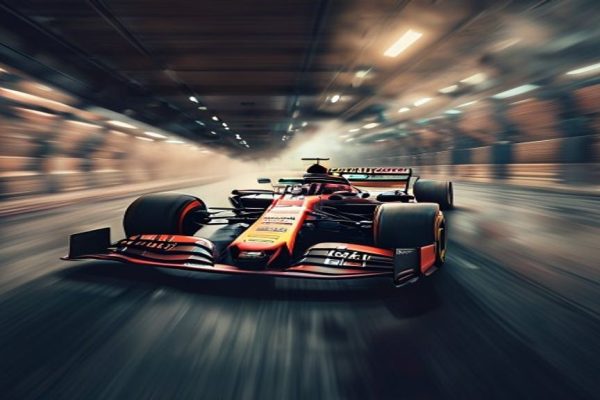
Main Event: The F1 Revolution
The world of Formula One (F1) has undergone significant transformations in recent years, driven by a pursuit to increase speed, reduce costs, and enhance the overall spectator experience. Amidst this evolution, a contentious debate has emerged surrounding the impact of the new cars on the very essence of the sport. F1’s governing body and key stakeholders are caught in the middle, navigating the fine line between catering to the fans’ appetite for thrilling racing and preserving the sport’s rich heritage.
The New Era of F1: Advancements and Challenges
Introduced in 2022, the new generation of F1 cars boasts striking aesthetics, impressive aerodynamic capabilities, and significant performance boosts. The enhanced downforce, improved fuel efficiency, and increased power output have resulted in breathtaking racing, captivating audiences worldwide. However, this newfound excitement has coincided with concerns over the cars’ handling, reliability, and safety.
Proponents of the new cars argue that the increased downforce and improved traction have led to more competitive and unpredictable racing, ultimately enhancing the sport’s entertainment value. Furthermore, the advanced technology and innovative designs have sparked a renewed interest in F1 among fans and potential newcomers.
The Dark Side of Progress: Concerns over Safety and Spectator Appeal
On the other hand, some F1 aficionados and former drivers have expressed reservations about the new cars’ impact on the sport. They point to the increased reliance on advanced aerodynamics, which has led to a perceived decrease in overtaking opportunities and a rise in instances of car-to-car contact. This shift has raised concerns over driver safety and the potential for serious accidents.
Additionally, the new cars’ complex designs and high-speed capabilities have led to instances of spectacular crashes, further fueling the debate. While the safety record remains impressive, the frequency and severity of these incidents have sparked concerns among fans and F1’s governing body.
The Future of F1: Finding a Balance between Progress and Tradition
As the sport continues to evolve, F1’s governing body, the Fédération Internationale de l’Automobile (FIA), must navigate this delicate balance between progress and tradition. The FIA has taken steps to address the concerns, including introducing new technical regulations aimed at promoting safer and more competitive racing.
Ultimately, the key to preserving F1’s heritage while embracing innovation lies in striking a balance between the two. By harnessing the benefits of advanced technology while maintaining the core values that have made the sport beloved, F1 can continue to captivate audiences and leave a lasting legacy.
Key Takeaways:
- The new F1 cars have introduced a new era of thrilling racing, but concerns over safety and spectator appeal have emerged.
- The FIA is working to address these concerns through new technical regulations and rule changes.
- The future of F1 depends on striking a balance between progress and tradition, preserving the sport’s heritage while embracing innovation.
As the world of F1 continues to evolve, one thing is certain: the sport’s governing body and stakeholders will need to remain vigilant in their pursuit of a delicate balance between progress and tradition. By doing so, they can ensure that the sport remains a thrilling spectacle for generations to come.






Leave a Reply