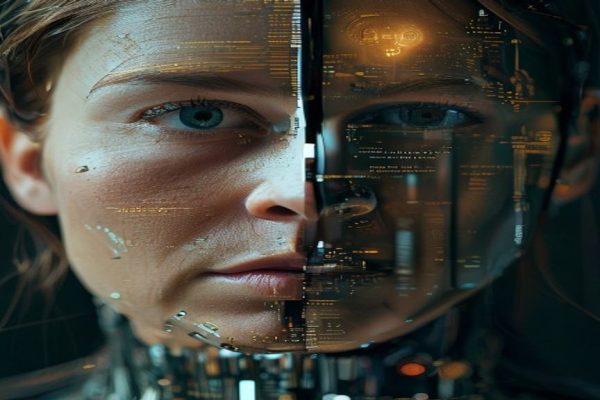
Expert Weighs In on Human-AI Interaction
Julie Carpenter, a renowned human-AI interaction expert and author of ‘The Naked Android’, has shed light on the growing trend of anthropomorphizing chatbots. According to Carpenter, the increasing adoption of generative AI tools, such as ChatGPT, has led to a blurring of lines between human and machine.
Anthropomorphism, the attribution of human characteristics or behavior to non-human entities, is not new. However, the rise of conversational AI has taken this concept to new heights. Users are increasingly attributing human-like qualities to chatbots, from emotions and thoughts to intentions and consciousness.
Background and Context
The development of generative AI has enabled machines to generate human-like text, speech, and even images. These advancements have made it possible for chatbots to engage in conversations that are often indistinguishable from those between humans. However, this has also raised concerns about the potential consequences of anthropomorphizing AI.
According to Carpenter, the key factor contributing to this trend is the way AI is designed and presented to users. ‘Generative AI tools are often marketed as having human-like capabilities, which can create unrealistic expectations,’ she explains. ‘This can lead to users projecting human qualities onto chatbots, even when they are not explicitly designed to do so.’
Reasons Behind the Trend
So, why are users so quick to attribute human-like qualities to chatbots? Carpenter identifies several factors contributing to this trend:
-
**Lack of understanding**: Many users do not fully comprehend how AI works, leading to a lack of awareness about the limitations and capabilities of chatbots.
-
**Design and marketing**: The way AI is designed and marketed can create unrealistic expectations and contribute to the anthropomorphization of chatbots.
-
**Social interaction**: Humans have an inherent desire for social interaction, and chatbots can provide a sense of connection and companionship.
-
**Evolution of language**: The way we communicate with AI has evolved significantly, with chatbots becoming increasingly sophisticated and able to understand nuances of language.
Future Implications
The implications of anthropomorphizing chatbots are far-reaching and multifaceted. While it can lead to increased user engagement and adoption, it also raises concerns about the potential consequences, such as:
*
**Misleading expectations**: Users may expect chatbots to have capabilities or behave in ways that are not possible or intended.
*
**Dependence on AI**: The increasing reliance on chatbots can lead to a decrease in human interaction and deepening social isolation.
*
**Ethical concerns**: The blurring of lines between human and machine raises questions about the ethics of AI development and its potential impact on society.
Carpenter emphasizes the importance of addressing these concerns and promoting a more nuanced understanding of AI capabilities and limitations. ‘As we continue to develop and integrate AI into our lives, it’s essential to prioritize transparency, accountability, and responsible design,’ she stresses.
The rise of generative AI has opened up new possibilities for human-AI interaction, but it also requires a thoughtful and informed approach to its development and use. By acknowledging the complexities and challenges associated with anthropomorphizing chatbots, we can work towards creating a more responsible and beneficial future for both humans and machines.

Image prompt: A person interacting with a chatbot on a computer screen, with a subtle blur effect to convey the blurring of lines between human and machine.






Leave a Reply