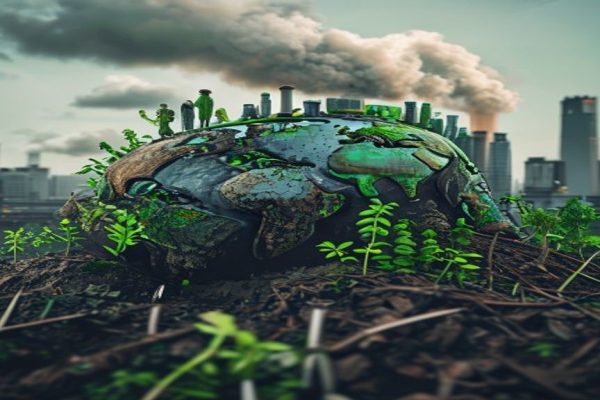
The World’s Largest Carbon Emitters and the Unpaid Carbon Debt
The world’s largest carbon emitters, responsible for a significant portion of greenhouse gas emissions, are leaving a devastating legacy for future generations. The consequences of climate change, from rising sea levels to intensified natural disasters, are already being felt across the globe. Now, a growing number of experts argue that the damage caused by these emissions can be quantified financially, effectively creating a massive, unpaid debt to the future.
The Rising Carbon Debt: A Financial Crisis Looming
The concept of a carbon debt is not new, but its implications have been gaining traction in recent years. The idea is simple: the world’s largest carbon emitters have been releasing massive amounts of CO2 into the atmosphere, accelerating climate change and causing irreparable harm to the environment. As a result, these countries and companies are essentially passing on a financial burden to future generations, who will be forced to deal with the consequences of climate change.
Estimating the exact amount of this debt is a daunting task, but various studies and models suggest that it could be in the trillions of dollars. For instance, a recent report by the Climate Accountability Institute estimated that the world’s largest fossil fuel companies have been responsible for emitting over 20 times more CO2 than the entire country of Japan between 1965 and 2017. This staggering amount of emissions has led to devastating climate-related disasters, from hurricanes to droughts, and will continue to do so unless drastic action is taken.
The Consequences of Climate Change: A Growing Financial Burden
The financial costs of climate change are already being felt across the globe. From the increasing frequency and severity of natural disasters to the rising costs of healthcare and infrastructure, the economic impacts of climate change are piling up. In the United States alone, the estimated economic loss due to climate-related disasters has exceeded $400 billion since 2010. Globally, the costs are even higher, with some estimates suggesting that climate change could cost the world up to 11% of its GDP by 2100.
The financial burden of climate change is not limited to natural disasters, however. Climate change is also affecting global food production, leading to crop failures and reduced yields. This, in turn, is driving up food prices and exacerbating hunger and poverty. In addition, climate change is altering ecosystems, leading to the loss of biodiversity and the degradation of ecosystem services.
Averting the Carbon Debt: A Global Effort
So, what can be done to mitigate the carbon debt and its financial implications? The answer lies in a global effort to transition away from fossil fuels and towards renewable energy sources. Governments, corporations, and individuals must work together to reduce greenhouse gas emissions and invest in sustainable technologies. This will require significant investment in clean energy infrastructure, energy efficiency, and green technologies.
The transition to a low-carbon economy will not be easy, but it is essential for avoiding the financial burden of climate change. The costs of inaction far outweigh the costs of taking action, and the benefits of a sustainable future are too great to ignore. As the world’s largest carbon emitters, we must take responsibility for our actions and work towards a future where the air is clean, the water is pure, and the planet is thriving.
Key Points:
- The world’s largest carbon emitters owe a massive debt to future generations due to their greenhouse gas emissions.
- The carbon debt can be quantified financially, with estimates suggesting it could be in the trillions of dollars.
- The financial costs of climate change are already being felt across the globe, with estimated economic losses exceeding $400 billion in the United States since 2010.
- A global effort is needed to transition away from fossil fuels and towards renewable energy sources to mitigate the carbon debt and its financial implications.
This article is a call to action for governments, corporations, and individuals to work together towards a sustainable future. The time for inaction is over, and it’s time to take responsibility for our actions and create a better world for future generations.
Image Prompt:
A haunting image of a deserted beach, with a lone palm tree standing tall amidst the ruins of a storm. The sky is dark and foreboding, with lightning illuminating the clouds. In the foreground, a young child is wading through the debris, looking up at the camera with a mix of fear and determination. The image is a poignant reminder of the devastating impact of climate change and the urgent need for action to mitigate its effects.






Leave a Reply