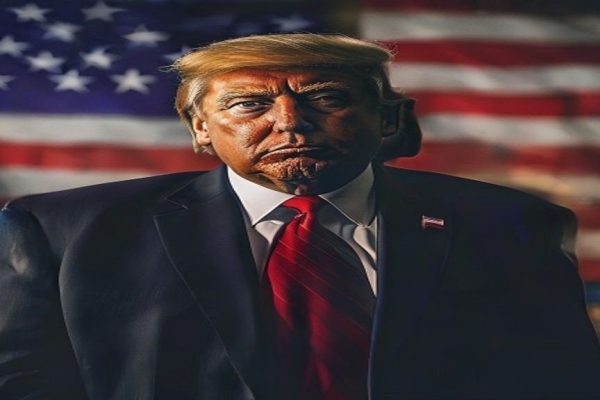
Global Economy on Brink: Trump’s Iran Conflict Escalation
The escalating conflict between the US and Iran under President Donald Trump’s administration poses significant risks to global trade, economic growth, and stability. According to a recent report from the World Trade Organization (WTO), the ongoing tensions may lead to slower GDP growth, higher fertilizer costs, and a ripple effect on the international trade market.
The report highlights the importance of international trade in the context of the current global economic landscape. With the world’s economies increasingly interconnected, a disruption in trade can have far-reaching consequences, impacting countries across the globe. The WTO emphasizes the need for caution and cooperation among nations to mitigate the risks associated with the escalating conflict.
Why Iran Matters in Global Trade
Iran is a significant player in the global trade market, particularly in the sectors of oil, natural gas, and fertilizer production. The country’s exports contribute to the economic growth of several nations, including major economies like China, India, and Europe. The US-Iran conflict has already led to a sharp increase in oil prices, with Brent crude rising to over $70 per barrel. This surge in prices can have a cascading effect on the global economy, impacting industries that rely heavily on oil and gas, such as transportation and manufacturing.
The fertilizer industry is another sector that stands to be severely impacted by the conflict. Iran is a major producer of urea, a critical component in fertilizer production. The country’s exports account for a significant share of the global fertilizer market, with many countries reliant on Iranian urea for agricultural production. A disruption in the supply chain can lead to higher fertilizer costs, which can have devastating effects on food production and prices.
Consequences of Escalation: A Ripple Effect on Global Economies
- Slower GDP growth: The WTO report warns that the ongoing conflict can lead to a decline in global GDP growth, as trade disruptions and higher costs affect economic activity.
- Increased oil prices: The escalation of the conflict has already led to a sharp increase in oil prices, which can have far-reaching consequences for industries reliant on oil and gas.
- Higher fertilizer costs: The disruption in the supply chain can lead to higher fertilizer costs, impacting agricultural production and food prices.
- Trade wars: The conflict can also lead to trade wars between nations, as countries implement retaliatory measures to protect their interests.
A Call for Caution and Cooperation
The WTO report emphasizes the need for caution and cooperation among nations to mitigate the risks associated with the escalating conflict. The organization urges governments to engage in diplomatic efforts to resolve the crisis, rather than resorting to military action. The report also highlights the importance of diversifying trade relationships and investing in alternative energy sources to reduce dependence on oil and gas.
In conclusion, the escalating conflict between the US and Iran poses significant risks to global trade, economic growth, and stability. The WTO report serves as a stark reminder of the importance of international cooperation and caution in the face of global challenges. As the situation continues to unfold, it is essential for nations to work together to mitigate the risks and find a peaceful resolution to the conflict.
Image Prompt: An AI-generated image depicting a world map with a red ‘X’ marked over the Middle East, surrounded by a globe with a broken chain, symbolizing the disruption to global trade and economic growth resulting from the US-Iran conflict.






Leave a Reply