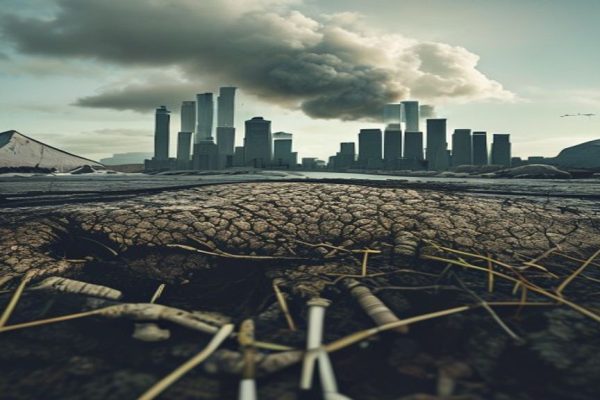
The Unseen Consequences of Climate Change
The world’s largest carbon emitters are leaving an indelible mark on the environment, and it’s not just the polar bears and melting glaciers that are affected. The negative impacts of climate change have far-reaching consequences that will be felt for generations to come. Some experts argue that this debt can be quantified financially, leaving future generations to pick up the tab.
The Quantifiable Cost of Climate Change
While the exact figure is difficult to pinpoint, researchers have made attempts to put a price tag on the damage caused by climate change. A study published in the journal Climatic Change estimated that the total cost of climate change could be as high as $14.4 trillion by 2100. This staggering sum is based on the projected losses from sea-level rise, more frequent natural disasters, and the economic impacts of a changing climate.
Another study published in the journal Nature found that the cost of climate change could be even higher, with estimated damages ranging from $43 trillion to $69 trillion by 2100. These figures are not just numbers on a page; they represent the very real consequences of our actions, or lack thereof, when it comes to mitigating climate change.
The Moral Implications of Climate Change
While the financial costs of climate change are staggering, the moral implications are even more profound. Future generations will inherit a world that is already experiencing the effects of climate change, from rising sea levels to more frequent and intense natural disasters. The question remains, what kind of world will we leave behind for them?
Some argue that the concept of a “carbon debt” is a moral imperative, a reminder that our actions have consequences that will be felt by those who come after us. It’s a call to action, a reminder that we must take responsibility for our actions and work towards reducing our carbon footprint.
However, others argue that the concept of a “carbon debt” is a simplistic way of looking at a complex issue. They argue that the costs of climate change are not just financial, but also social and environmental. The impacts of climate change will be felt by communities around the world, from the Arctic to the Amazon, and it’s not just a matter of putting a price tag on it.
The Path Forward
So, what can we do to address the carbon debt and mitigate the effects of climate change? The answer lies in a multi-faceted approach that includes reducing our carbon footprint, transitioning to renewable energy sources, and investing in climate-resilient infrastructure.
It’s also crucial to acknowledge the role of the world’s largest carbon emitters in exacerbating the problem. Countries like the United States, China, and India must take the lead in reducing their greenhouse gas emissions and transitioning to cleaner energy sources.
Ultimately, the carbon debt is a reminder that our actions have consequences, and it’s time to take responsibility for our actions. By working together, we can reduce our carbon footprint, mitigate the effects of climate change, and create a better future for generations to come.
- The world’s largest carbon emitters owe a significant debt to future generations, with estimated costs ranging from $14.4 trillion to $69 trillion by 2100.
- The concept of a “carbon debt” is a moral imperative, a reminder that our actions have consequences that will be felt by those who come after us.
- A multi-faceted approach is needed to address the carbon debt and mitigate the effects of climate change, including reducing our carbon footprint, transitioning to renewable energy sources, and investing in climate-resilient infrastructure.
- Countries like the United States, China, and India must take the lead in reducing their greenhouse gas emissions and transitioning to cleaner energy sources.
As we move forward, it’s essential to acknowledge the role of climate change in exacerbating social and environmental injustices. The impacts of climate change will be felt disproportionately by vulnerable communities, and it’s crucial that we prioritize their needs and concerns in our efforts to address the carbon debt.






Leave a Reply