F1’s New Era: The Battle Between Speed and Sustainability
Formula One (F1) has long been a spectacle of speed and technological innovation, captivating audiences worldwide with its high-octane racing and cutting-edge machinery. However, with the introduction of new, more efficient cars, the sport’s leaders are facing a daunting challenge: balancing the need for speed with growing concerns about the environmental impact of the sport.
The Rise of Sustainable Racing
In recent years, F1 has made significant strides in reducing its carbon footprint, with the introduction of hybrid power units and more efficient fuel usage. The new cars, unveiled in 2021, were designed to be faster and more agile, while also meeting the sport’s sustainability goals. However, the new cars have also brought about a change in the way drivers approach racing, with a greater emphasis on fuel efficiency and less emphasis on raw speed.
While the new cars have brought about a new era of competition, they have also sparked controversy among fans and drivers alike. Some have criticized the new cars for being too restrictive, limiting the ability of drivers to push their machines to the limit. Others have expressed concerns about the environmental impact of the sport, citing the high emissions and energy consumption required to produce and maintain the new cars.
The Concerns of F1’s Bosses
F1’s bosses, led by CEO Stefano Domenicali, are caught in the middle of this debate. While they recognize the superficial appeal of the back-and-forth racing, they are also concerned about what the new cars are doing to the sport they grew up loving. Domenicali has stated that the sport must balance its need for speed with its responsibility to the environment, and that the new cars are a step in the right direction, but not a final solution.
According to Domenicali, the sport is exploring new technologies and innovations that will further reduce its carbon footprint, while also improving the performance of the cars. This includes the development of more efficient engines, improved aerodynamics, and the use of alternative fuels. However, these changes will not come easily, and the sport’s leaders are aware that they must navigate a complex web of regulations, technological advancements, and fan expectations.
The Future of F1
As F1 continues to evolve, one thing is clear: the sport will never be the same again. The new cars have brought about a new era of competition, but they have also raised important questions about the sport’s future. Will the emphasis on sustainability lead to a decline in raw speed, or will it create a new generation of drivers who are more focused on fuel efficiency and less focused on outright performance? Only time will tell.
One thing is certain, however: F1’s bosses are committed to finding a solution that balances the need for speed with the need for sustainability. They recognize that the sport’s future depends on its ability to adapt to changing circumstances, and that the new cars are just the beginning of a long journey towards a more sustainable and environmentally friendly future.
Key Points:
- F1 has introduced new, more efficient cars that prioritize sustainability and fuel efficiency.
- The new cars have sparked controversy among fans and drivers, with some criticizing them for being too restrictive and others expressing concerns about the environmental impact of the sport.
- F1’s bosses are caught in the middle of this debate, recognizing the need for speed while also being concerned about the environmental impact of the sport.
- The sport is exploring new technologies and innovations to further reduce its carbon footprint and improve the performance of the cars.
In conclusion, F1’s new era is a complex and multifaceted issue, with both positive and negative consequences. While the new cars have brought about a new era of competition, they have also raised important questions about the sport’s future. As F1 continues to evolve, one thing is clear: the sport will never be the same again, and its leaders must navigate a complex web of regulations, technological advancements, and fan expectations to ensure its long-term survival.
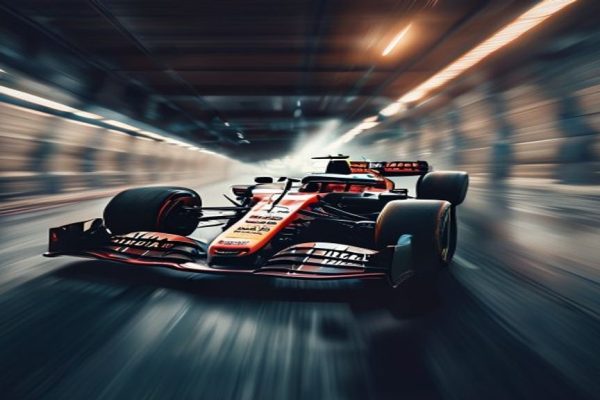
Image Prompt: A high-speed F1 car racing down a track, with a blurred background of cheering fans and a bright, sunny sky. In the foreground, a close-up of the car’s sleek, aerodynamic design, with a subtle shadow of a tree or a building in the background to represent the sport’s connection to the environment. The car should be depicted in motion, with a sense of speed and energy, while also conveying a sense of sustainability and eco-friendliness.






Leave a Reply