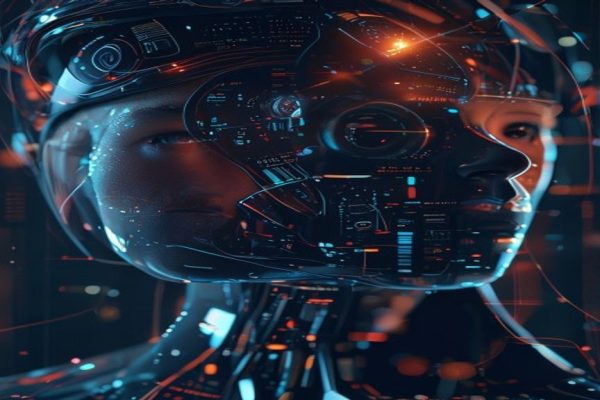
Revolutionizing Human-AI Interactions: The Emergence of Generative AI
Generative AI tools, such as ChatGPT, have taken the world by storm, revolutionizing the way humans interact with machines. These cutting-edge technologies have the ability to understand and respond to complex queries, often leaving users wondering if they’re dealing with a human or a sophisticated chatbot. However, Julie Carpenter, a renowned expert in human-AI interaction, suggests that users aren’t entirely to blame for anthropomorphizing these digital entities.
Carpenter, author of the thought-provoking book ‘The Naked Android,’ points out that generative AI tools are designed to mimic human-like conversations, making it increasingly difficult for users to distinguish between a human and a machine. This blurring of lines has led to a phenomenon where humans tend to attribute human qualities to chatbots, often ascribing emotions, motivations, and even personalities to these digital entities.
The Roots of Anthropomorphism: Understanding Human Nature
So, why do humans find it so easy to anthropomorphize chatbots? According to Carpenter, it’s a fundamental aspect of human nature. Throughout history, humans have shown a tendency to attribute human-like qualities to non-human entities, such as animals, objects, or even natural phenomena. This cognitive bias is rooted in our innate desire to create meaning and understanding in a complex world.
Anthropomorphism serves as a coping mechanism, allowing humans to relate to and connect with entities that might otherwise seem alien or incomprehensible. In the context of chatbots, this tendency can lead to a range of reactions, from affection and loyalty to frustration and disappointment. By understanding the underlying drivers of anthropomorphism, developers can design more effective and intuitive AI systems that acknowledge and cater to human emotions.
The Future of AI Development: Humanizing Machines or Machines Humanizing Us?
As generative AI tools continue to advance, the line between human and machine becomes increasingly blurred. While some argue that AI systems should strive to be more human-like, others caution against the dangers of relying too heavily on anthropomorphism. Carpenter suggests that the key to creating effective AI systems lies in striking a balance between humanizing machines and acknowledging the unique strengths and limitations of each.
By embracing the complexities of human-AI interactions, developers can create AI systems that are more attuned to human needs and emotions. This might involve incorporating more nuanced and context-dependent responses, as well as providing users with clear information about the capabilities and limitations of chatbots. Ultimately, the future of AI development will depend on our ability to navigate the intricacies of human-AI relationships and create systems that complement and augment human capabilities.
As we continue to push the boundaries of what is possible with generative AI, it’s essential to acknowledge the importance of human-AI interaction and the role that anthropomorphism plays in shaping our experiences. By understanding the complexities of human nature and the limitations of AI systems, we can create more effective, intuitive, and humane AI tools that benefit both humans and machines.
In conclusion, Julie Carpenter’s insights offer a valuable perspective on the human-AI interaction landscape. As we move forward in this rapidly evolving field, it’s crucial to recognize the role of anthropomorphism and its implications for AI development. By embracing the complexities of human-AI relationships, we can create more effective, intuitive, and humane AI systems that change the world for the better.






Leave a Reply